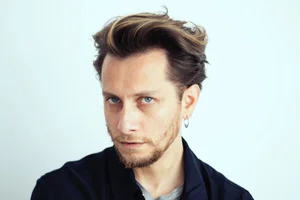
Interview with Romanian choreographer Alexandra Bălășoiu
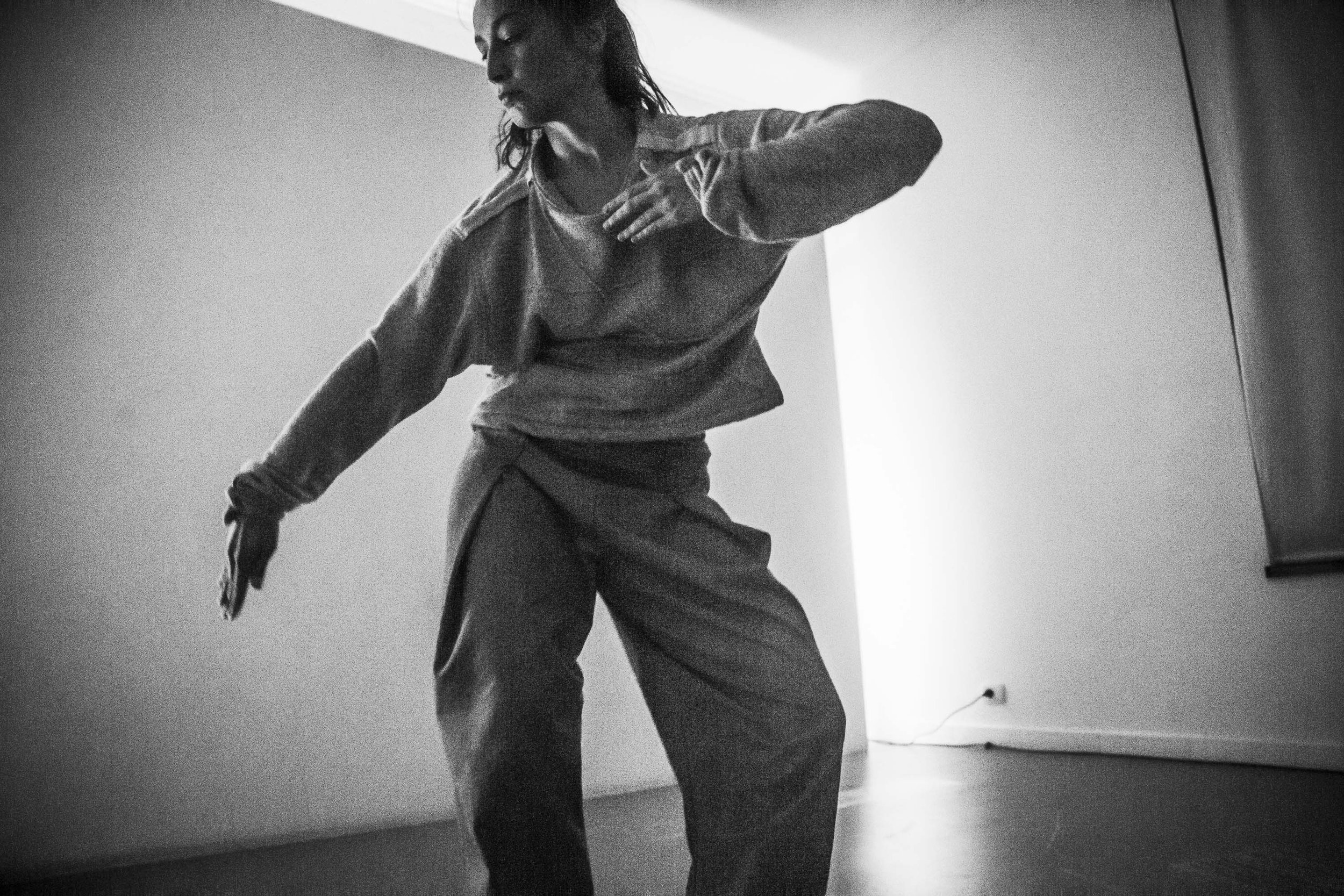
Alexandra Bălășoiu Photo: Florin Constantin
Meet Alexandra Bălășoiu, a passionate artist and the creative mind behind the “mind-moving” project. With a background in choreography from the National University of Theatre and Cinematography in Bucharest, Alexandra is dedicated to reshaping the conversation around mental health. Through her innovative approach, she emphasizes the importance of community and artistic expression in understanding mental well-being. Alexandra’s work invites us to explore the complexities of human experience, blending dance, performance, and social interaction in a truly inspiring way.
What is the primary objective of the “mind-moving” project initiated by Indie Box and its partners?
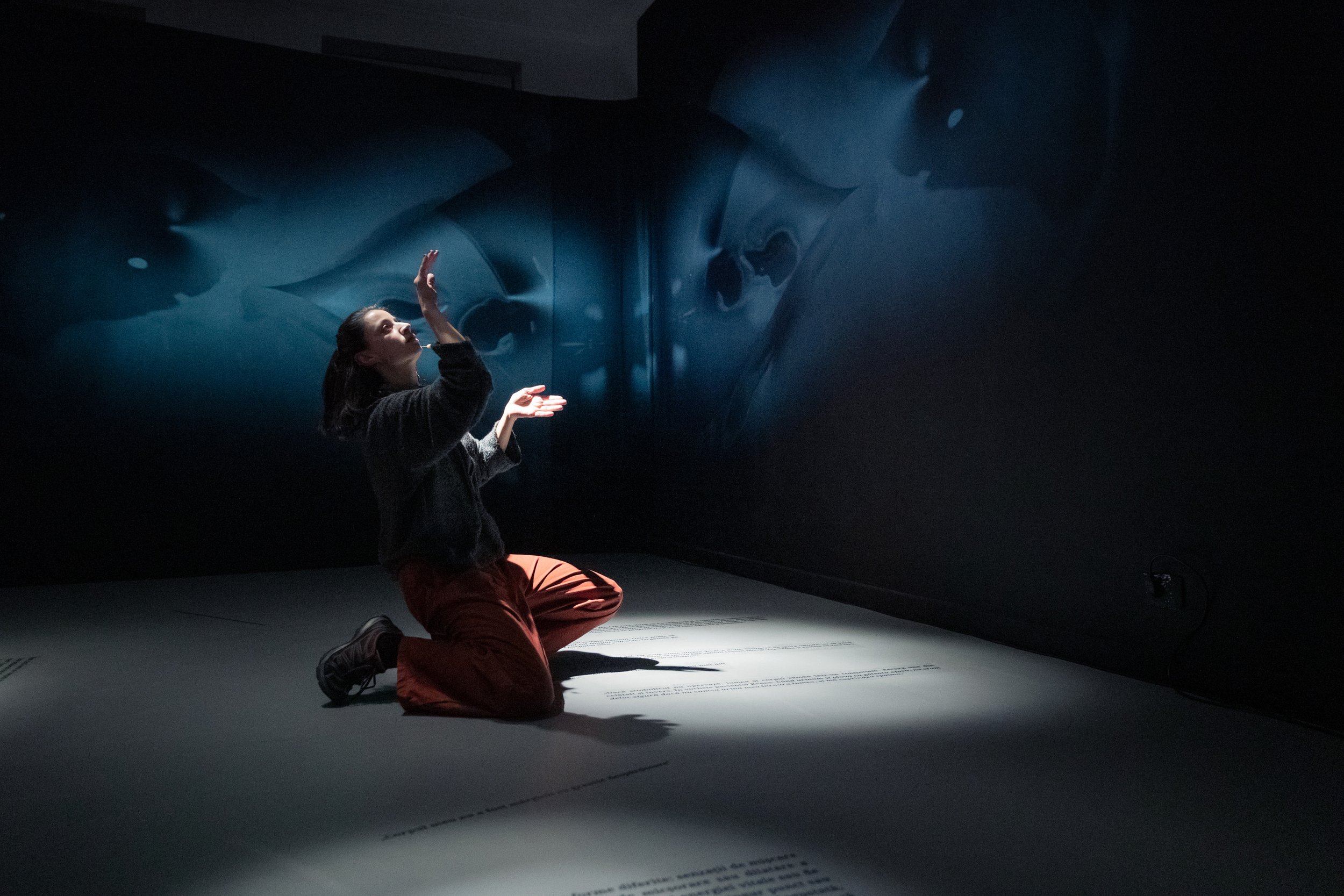
Photo: Cristina Matei
“mind-moving” originated from a desire to broaden the general discourse around mental illness. Our goal is to enhance education on the subject through an expansive vision that creates space for reframing psychiatric diagnoses and interventions. We see patients as unique human beings within a complex system of social relations, where every symptom is rooted not only in the individual but also in their interactions with the community. We place artistic tools at the center of the conversation, as we strongly believe they have the capacity to express, hold, and transform complexities that go beyond our rational understanding of the world.
Which organizations collaborated with Indie Box on the “mind-moving” project?
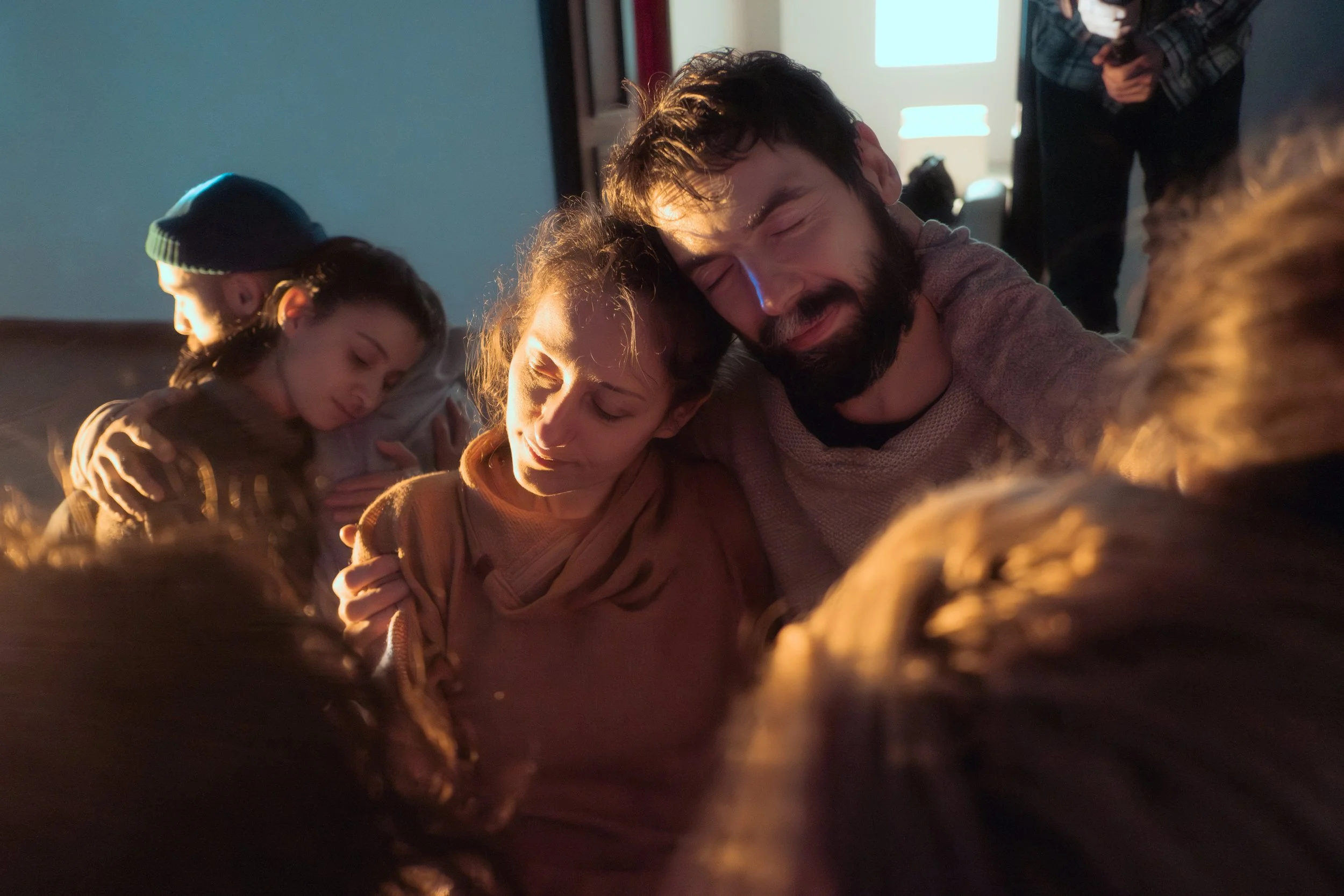
Photo: Cristina Matei
“mind-moving” was organized in partnership with NOPA – Norwegian Society of Composers and Lyricists, Entuziart Association, and Profeti ART SRL. The project’s implementation was supported by Voila Hospital in Câmpina, “Eftimie Diamandescu” Hospital in Bălăceanca, Rezidența9, Trafo Kunsthall, and Asker kommune. “Mind-Moving” was financed with support from EEA Grants 2014-2021 under the RO-CULTURE Programme, running from December 2022 to February 2024 in Bucharest, Bălăceanca, Câmpina, and Oslo. In 2024, Entuziart Association and AREAL – Space for Choreographic Development took the initiative further, extending the project’s actions to other cities in Romania and abroad, resulting in the “Mind-Moving tour.”
What types of media are utilized in the project to bridge the gap between the public and those with psychiatric diagnoses?
The project operates through two main directions to address the gap between the public and those with psychiatric diagnoses. The initial approach involved engaging in artistic dialogues with patients through dance performances accompanied by live music and workshops in art therapy, therapeutic photography, and dance and movement therapy. These interactions paved the way for building an artistic product that invites the audience into the unique experience of living with a psychiatric diagnosis, offering a chance to reflect and reframe personal narratives. Movement, music, video projections, theoretical quotations, and artistic testimonials converge in a performative installation that combines the qualities of a museum with a therapeutic environment, where emotions and beliefs can unfold and transform.
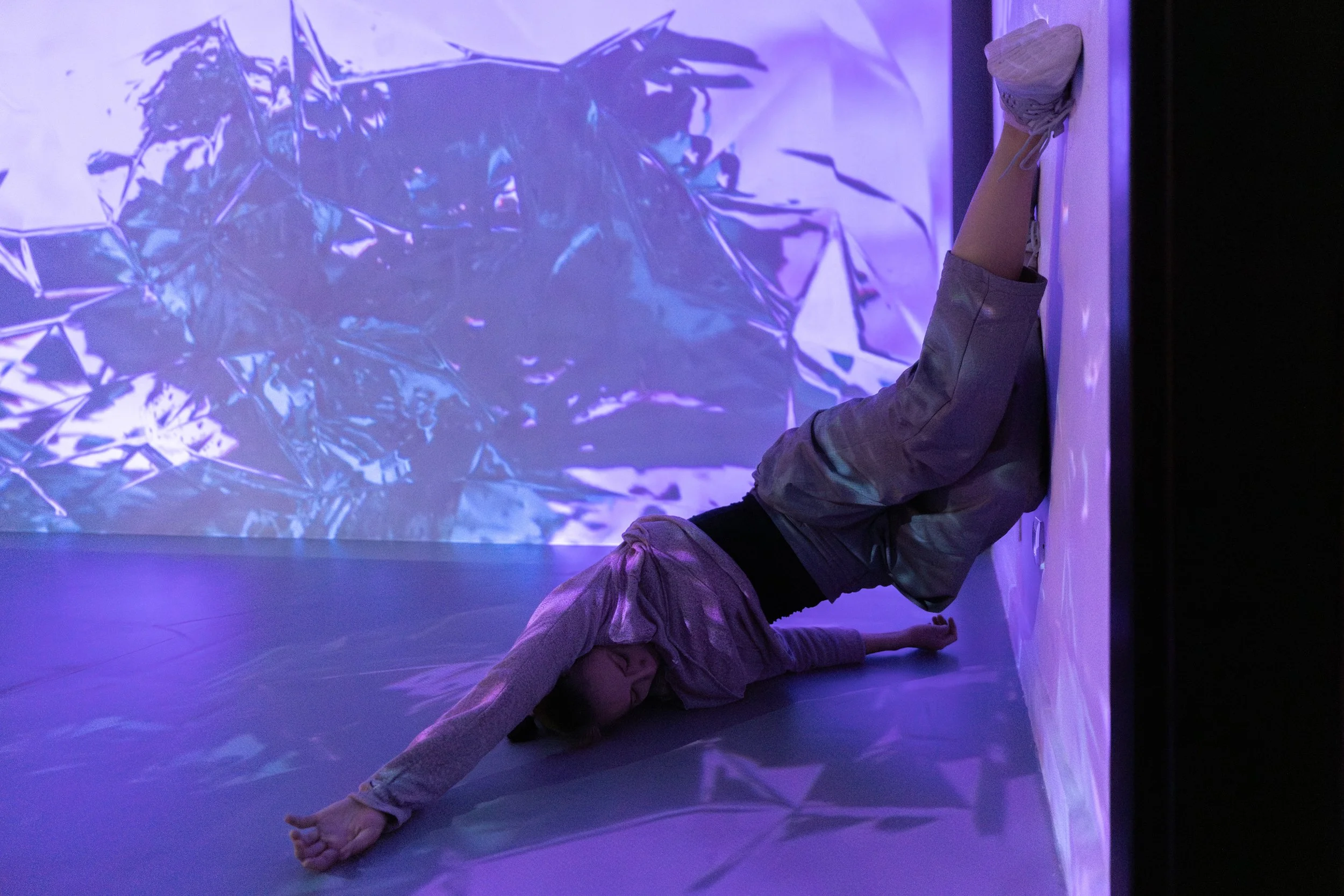
Photo: Cristina Matei
In which psychiatric hospitals is the “mind-moving” project being implemented?
In 2023, under the RO-CULTURE Programme, the project was implemented at Voila Hospital in Câmpina and “Eftimie Diamandescu” Hospital in Bălăceanca. Later, with support from the Center of Projects Timișoara, the initiative expanded to Louis Țurcanu Hospital in Timișoara, specifically addressing the child neuropsychiatry section.
What significance does art therapy have within the “mind-moving” project?
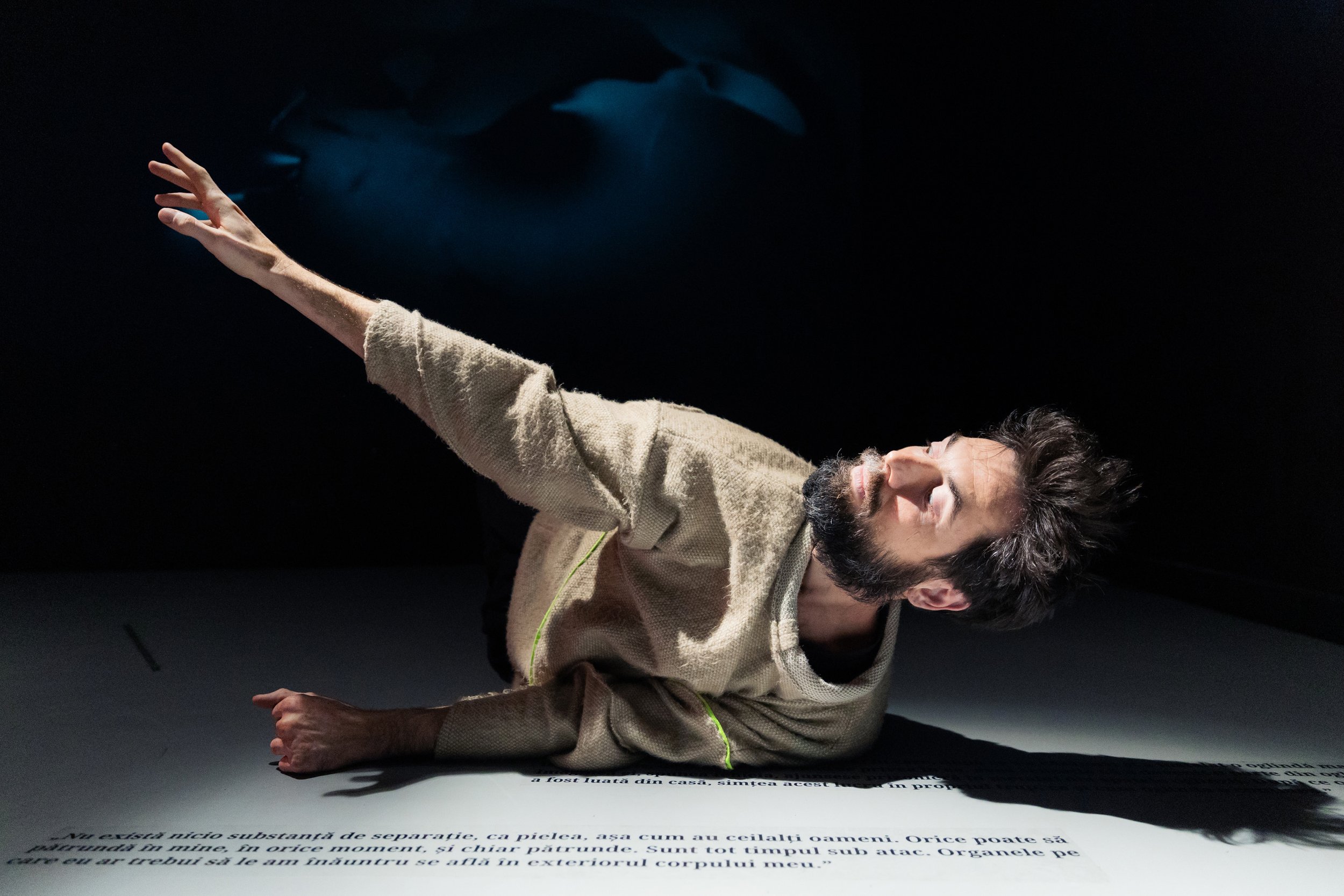
Art therapy serves as a tool to cultivate our human capacity to engage with aspects of life that cannot be fully expressed through verbal language or cognitive understanding. It provides a way to confidently explore the unknown, drawing on a history of evidence-based results. By engaging both the general public and patients through creative and art-therapeutic approaches, we aim to empower individuals to express their inner complexities. Allowing these complexities to take the form of visual art, dance, or photography gives visibility to aspects of themselves that have often been silenced.
How many workshops and performances were conducted in hospitals as part of the project?
Under the RO-CULTURE Programme, we conducted 48 workshops and 4 live performances.
What was the purpose of the creative residency at Voila Psychiatric Hospital in Câmpina?
The purpose of the artistic residency at Voila Psychiatric Hospital was to give the team direct exposure to the subjects being addressed. Living within the hospital premises, immersing ourselves in its atmosphere, engaging with patients through artistic practices, performing for them, and dancing informally to their favourite music provided invaluable embodied knowledge for our work.
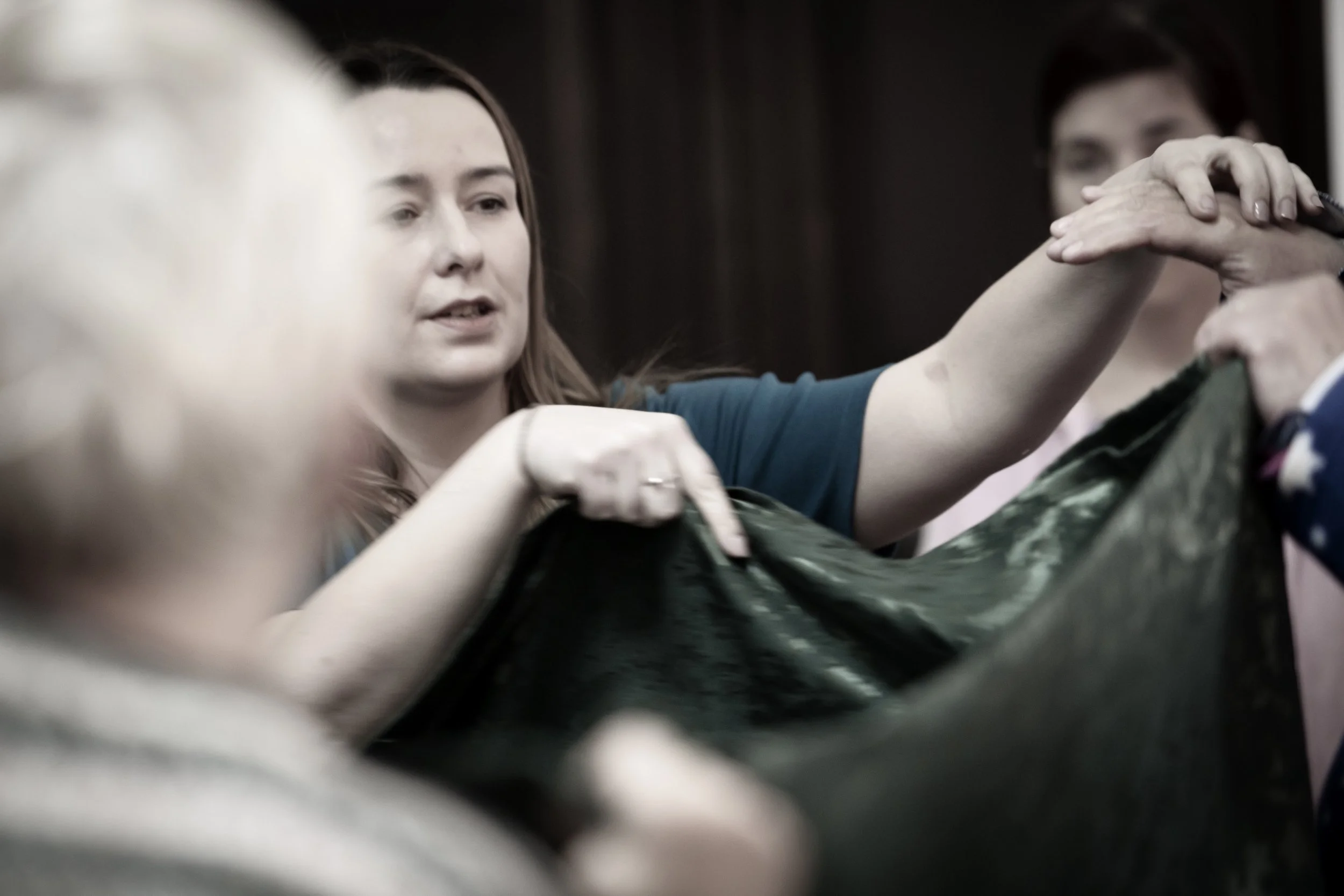
Photo: Florin Constantin
Who were the key creative contributors in the residency, and what roles did they play?
The residency took a comprehensive approach, involving all departments of the project: 3 musicians (Denis Bolborea, Paolo Profeti, and Norwegian artist Stina Moltu), 2 choreographers (Alexandra Bălășoiu and Cristina Lilienfeld), 1 dance therapist (Loredana Larionescu), 3 performers (Cătălin Diaconu, Cătălin Munteanu, and Diana Spiridon), 1 photographer (Florin Constantin), and 2 individuals from management and communication.
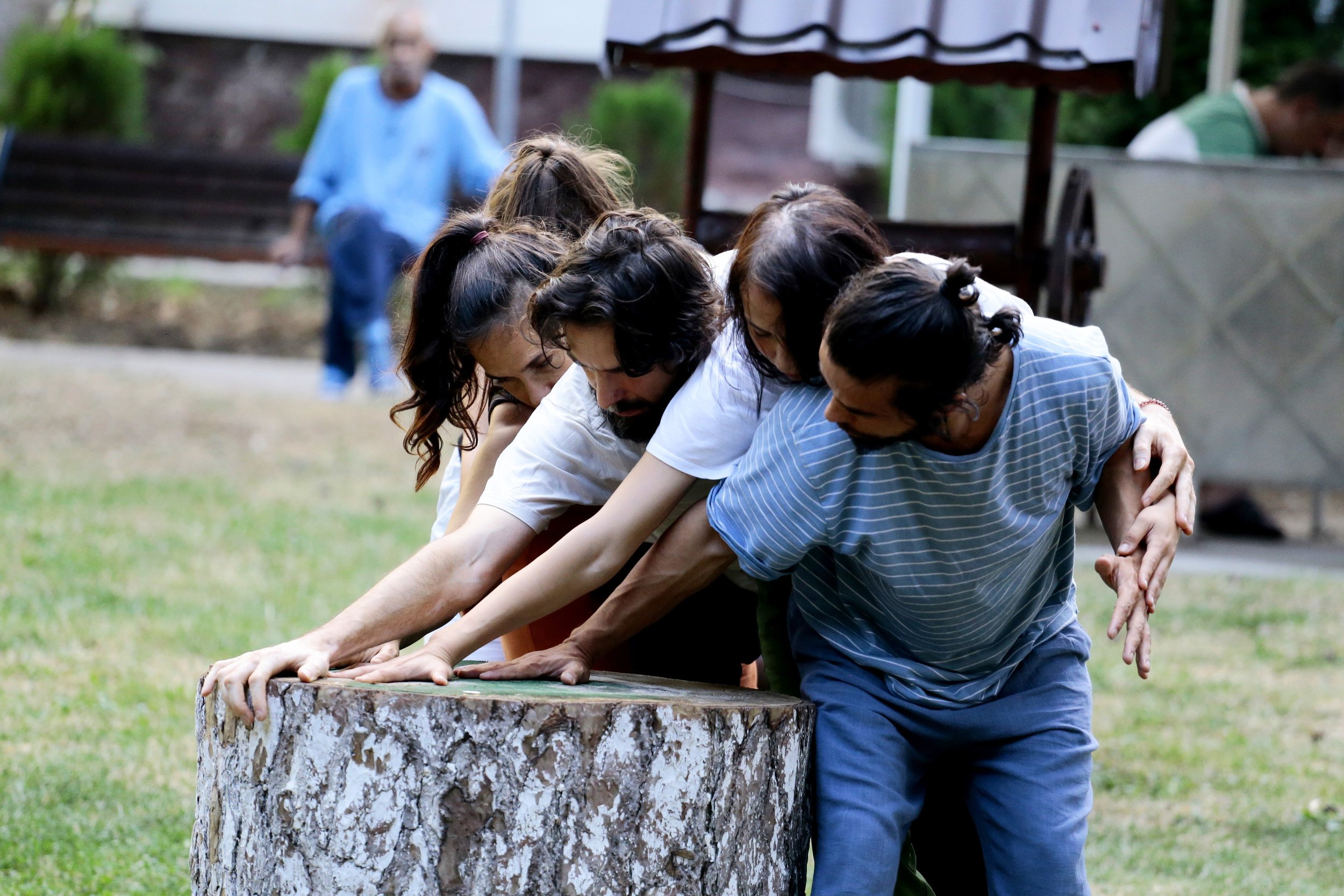
Photo: Florin Constantin
What mental health challenges are explored through the performative installation in the project?
The performative installation primarily addresses the challenge of stigma and social labelling, encouraging the audience to look beyond diagnoses. We invite the public to explore, with curiosity, the states and behaviours associated with different mental illnesses in a museum-like setting that fosters free movement and active engagement. Each installation focuses on different experiences, ranging from depression to schizophrenia, artistic creativity to psychosis, facilitating a deeper understanding of both the specificities of each illness and the blurred lines between them and so-called “normal” behaviours.
Where and when was the performative installation presented to the public, both in Romania and Norway?
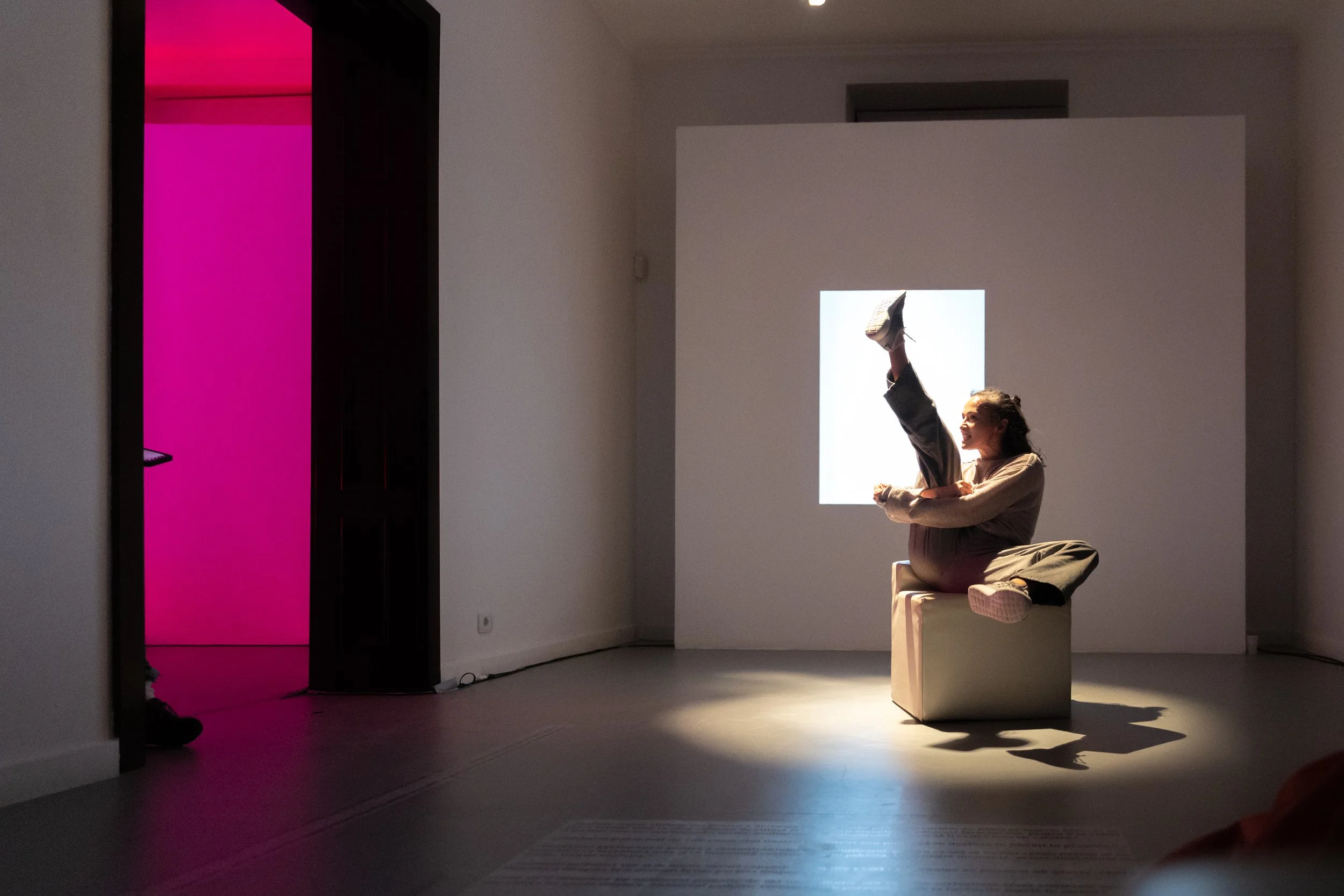
Photo: Cristina Matei
“mind-moving” first met the public in Bucharest in November 2023 at Rezidența9 for one week before traveling to Norway, where it was presented for another week at Trafo Kunsthall in Asker, near Oslo. After the RO-CULTURE Programme, mind-moving was showcased in August 2024 at the Biennale of Art Therapy in Perugia, Italy, with support from the Administration of National Funding. The installation will reopen in November 2024 at Ștefania Palace in Timișoara, with two local performers joining the team.
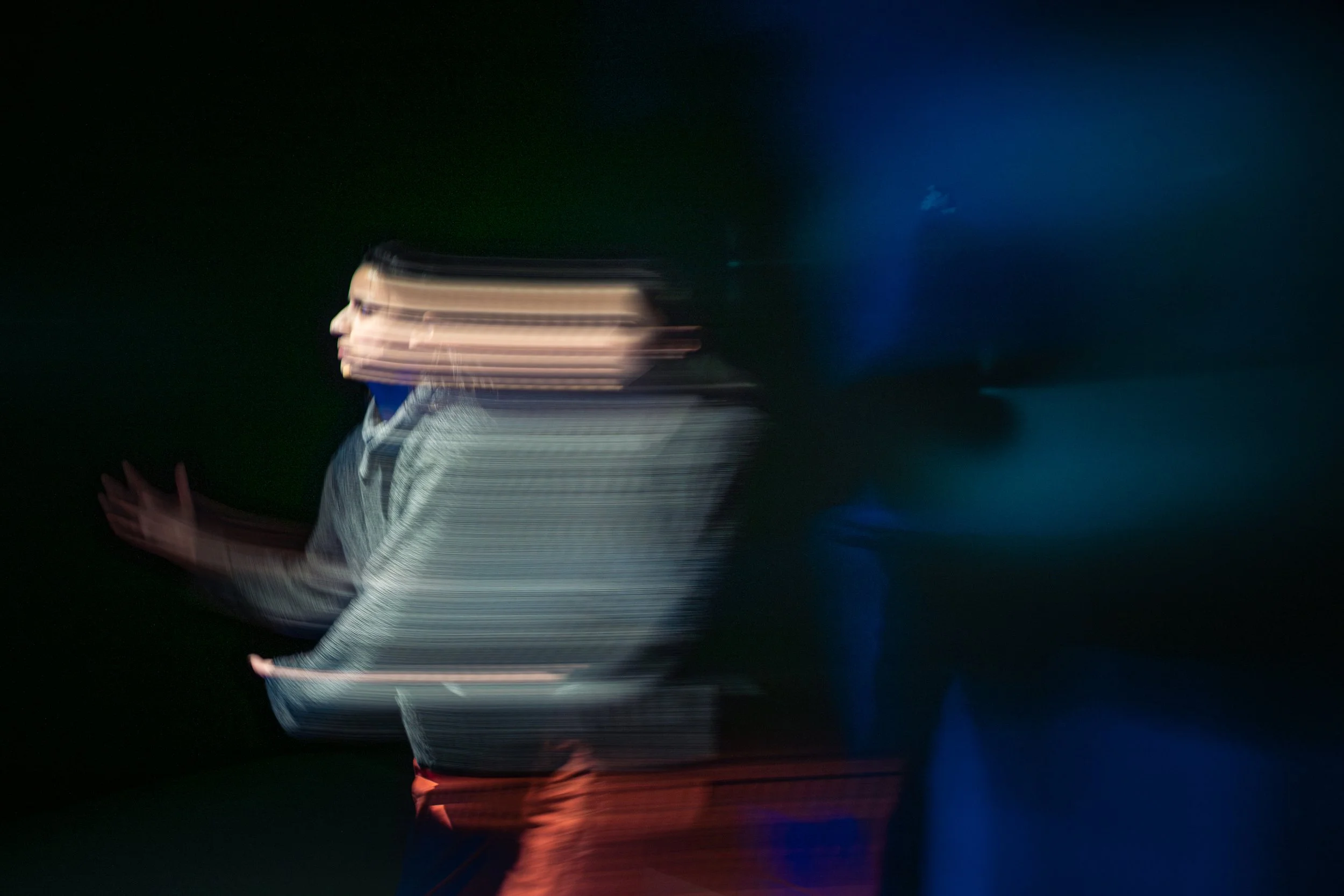
Photo: Cristina Matei
How does the “mind-moving” project seek to shift public perceptions of mental health through art?
The performative installation physically embodies the inner worlds of various mental illnesses. Our goal is to prompt a shift in public perception by encouraging the audience to witness these complexities without the need to “fix” or label them. Immersing themselves in this enriched space filled with performers, sound, movement, projections, and written words, we hope visitors will adopt more patient and creative perspectives, thereby transforming fear and sadness often associated with psychiatric disorders into understanding and compassion. The installation also emphasizes the community’s role, highlighting its ability to either foster healing spaces or push individuals beyond their limits. We hope this mirroring of societal structures will inspire action and a desire for change.
What were the main artistic disciplines involved in the “mind-moving” project, such as music and dance?
The project brought together artists from dance, performance, music, and visual arts. Our research focused on the body and its experience about altered states of consciousness.
How does the exhibition “mind-moving” encourage visitors to reflect on universal human experiences?
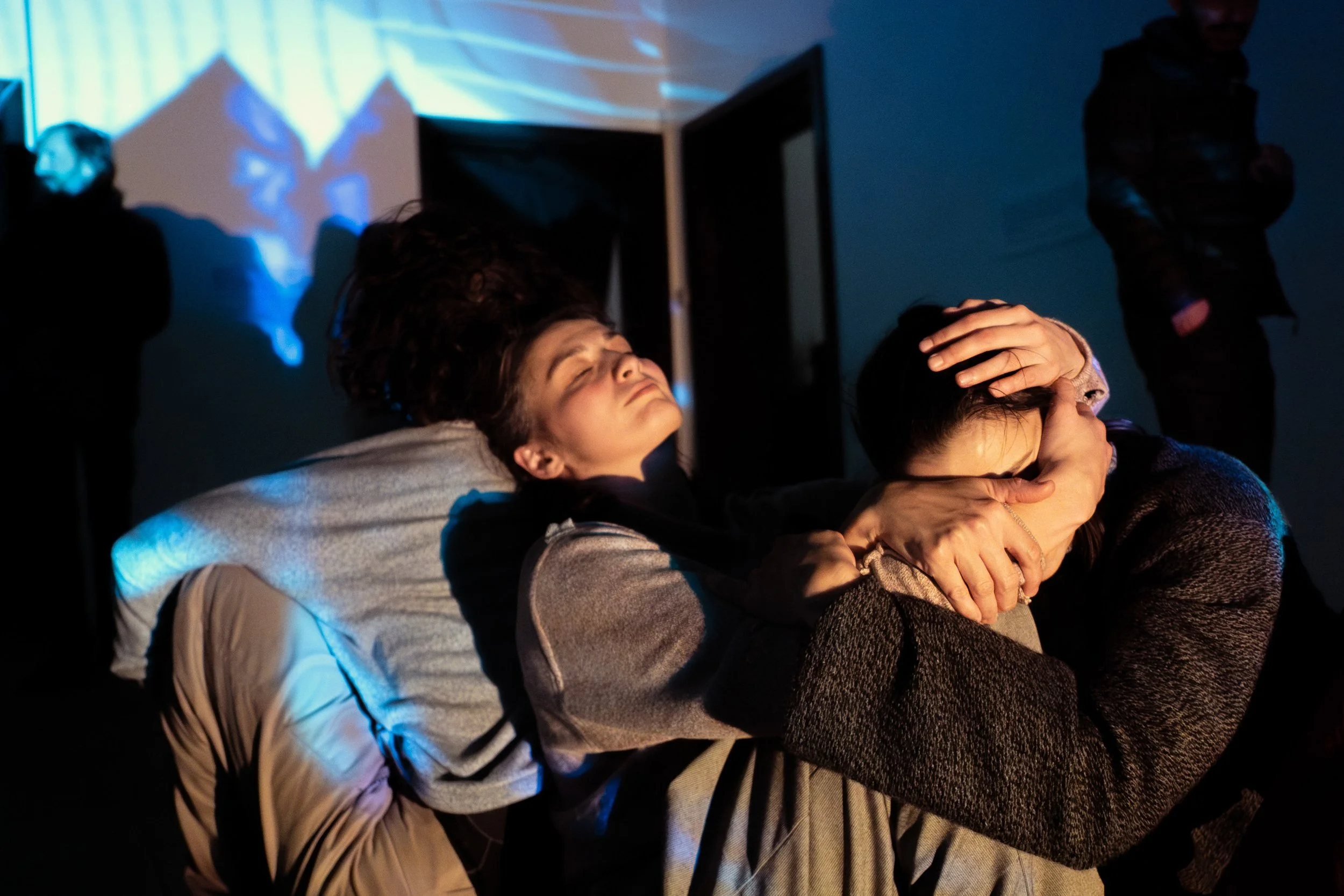
Photo: Cristina Matei
The mind-moving installation contains six territories defined by experiences that we can associate, at extremes, with various mental illnesses but that can also inhabit each of us in “normal” life. The performers allow themselves to be guided by the logic of each, immersing themselves in alternative realities and giving corporeality to otherwise invisible inner worlds. Each space is accompanied by theoretical quotations, artistic testimonials, video projections, and light settings that create the foundation for this territory of reflection.