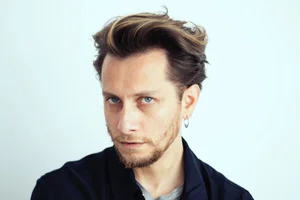
Mihai Dragolea – a nomadic filmmaker
Mihai Dragolea, a Bucharest-based filmmaker whose work is driven by a deep concern for climate change and a commitment to environmental justice, is constantly on the move. Last year, I finally had a chance to sit down with this close friend and long-time collaborator in Timișoara. We met while he was deep in the development of După Cioate / Tooth and Nail (2025), a documentary co-directed with Radu Mocanu—an urgent, politically charged film that functions less as observation and more as a warning signal. The project follows a businessman‑turned‑eco‑activist who exposes Romania’s timber mafia, documenting and broadcasting live from the forests to confront illegal loggers and corrupt companies. Initially based on protesters’ testimonies, the film evolved into a more subjective work that invites viewers to reflect on illegal logging and the fragile relationship between humans and nature. Dragolea himself has explained that he embarked on this project because he was deeply concerned about climate change; in 2019 he began interviewing local environmental activists and hiking through forests, which sparked the idea for a documentary on illegal logging in Bucovina. The resulting film is a call to action: beyond observation, it demands respect for the environment and urges political and social change to protect Romania’s forests.
BOLD PRACTICES
BOLD PRACTICES
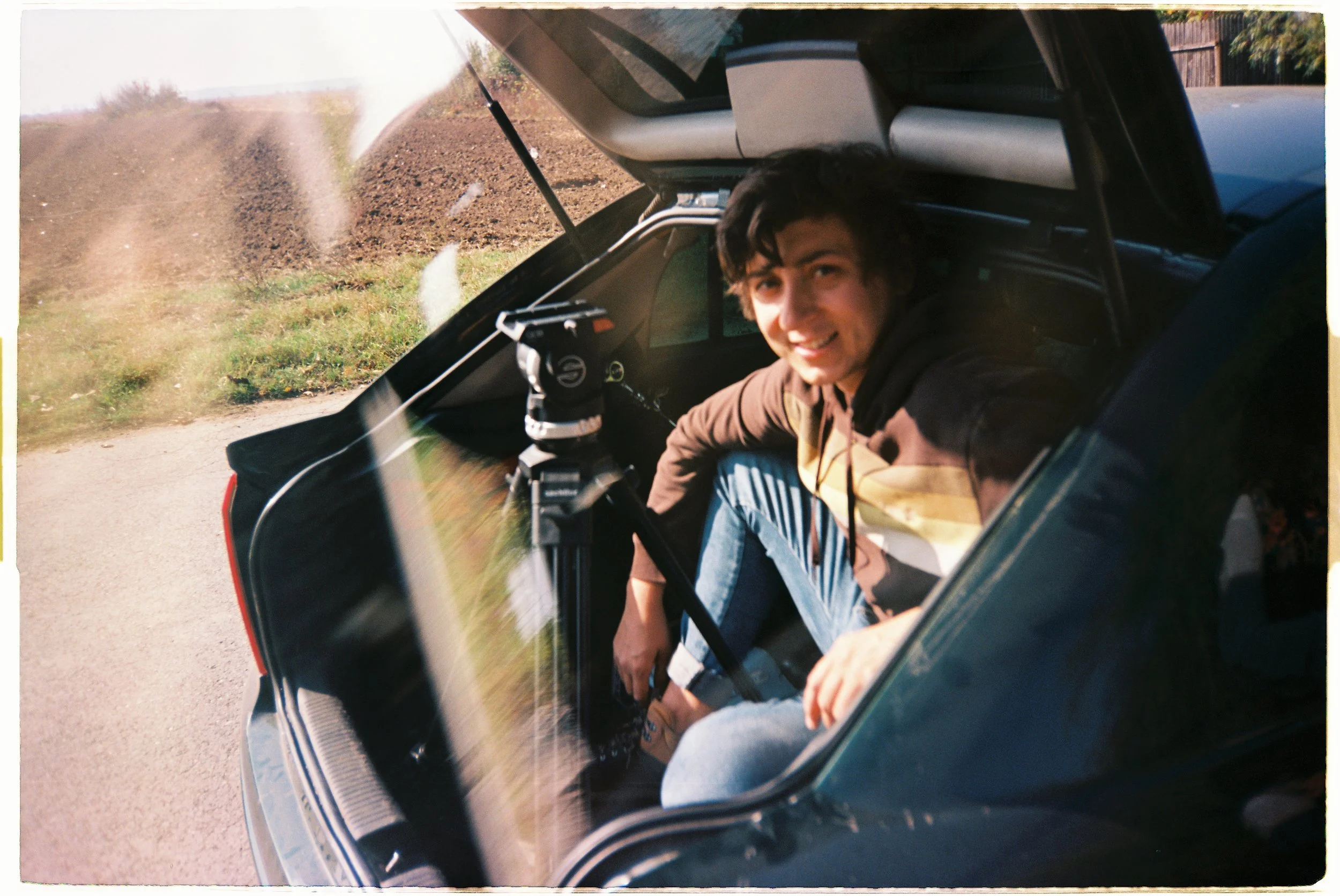
Mihai Dragolea’s personal archive
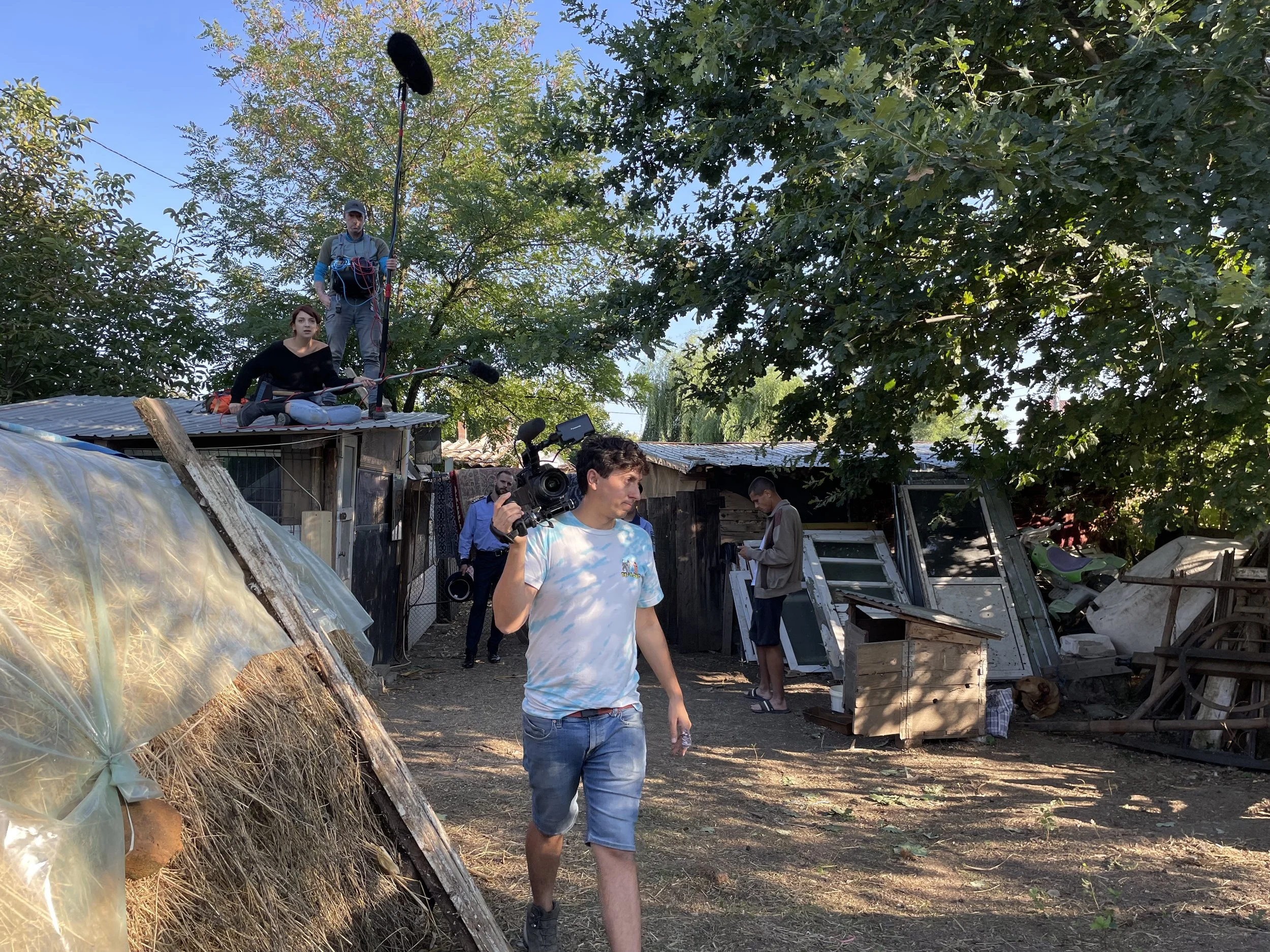
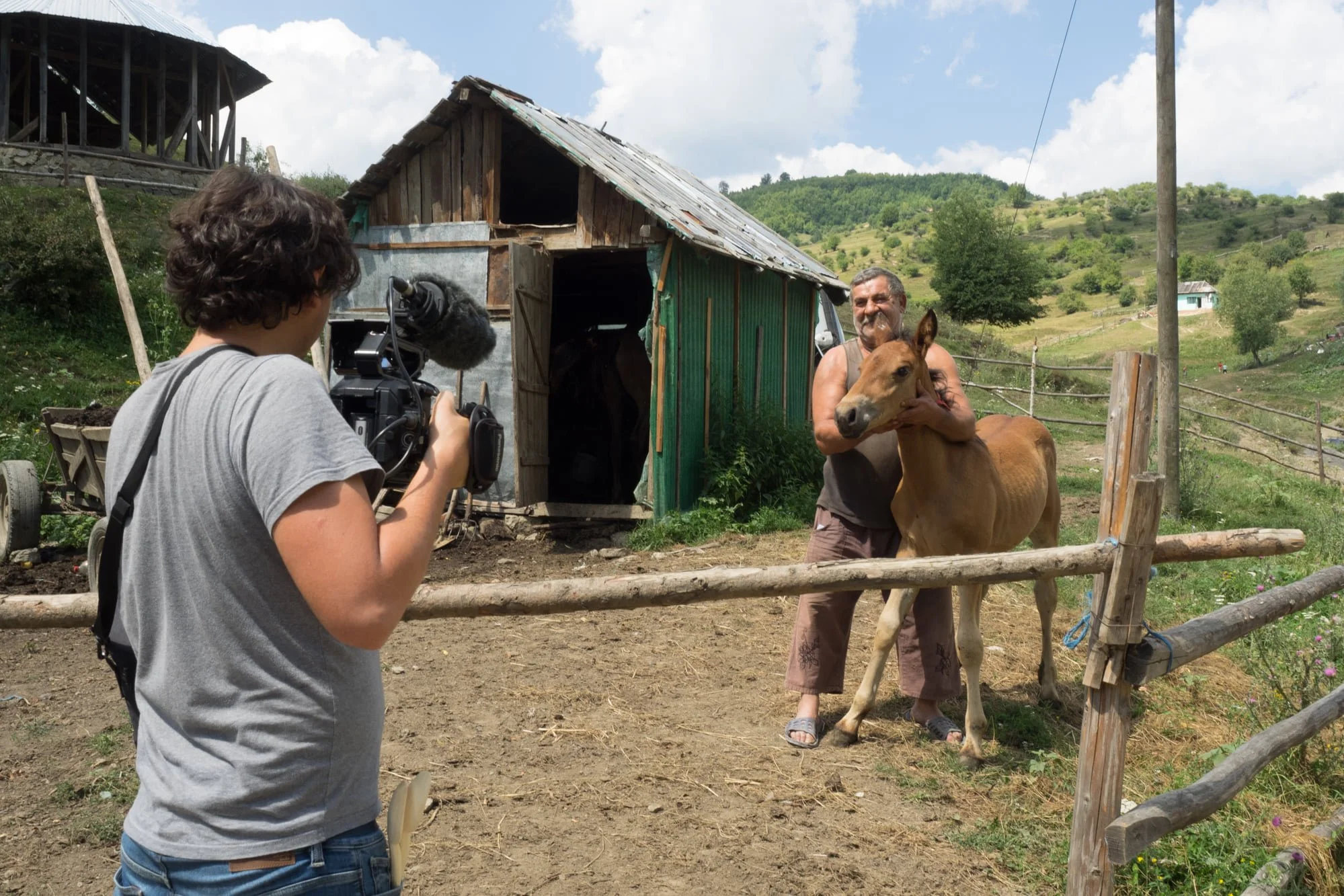
In our conversation, Dragolea reflects on over a decade of documentary practice, unpacking how his technique has evolved through experience, risk, and continuous ethical negotiation. Rejecting the illusion of an invisible camera, he argues that pretending subjects can ignore the camera is a form of dishonesty—both toward the audience and toward the filmmaker. Instead, he insists on acknowledging the camera as a presence, and even as a disturbance, embedded in the lives it records. “When I go filming, I want the characters to acknowledge me as a presence and as a disturbance in their natural life or habitat… because that's what I am.”
This ethic of transparency extends to his environmental work: he wants his new film to show not only environmental efforts but also how humans relate to nature, including an honest admission that he and his crew pollute by driving around to shoot the film.
He openly addresses the inherently top-down relationship between filmmaker and subject, insisting that hiding this imbalance only reinforces it.
“There is a top-down power relationship as soon as you take a camera.”
His response is a fluid, mobile camera language—almost instinctive—that moves freely through space in an attempt to soften authority and position itself on the same level as the people being filmed.
“My camera is actually hardwired in my brain. I'm an android.”
Can trust be a direct outcome of transparency? By refusing to mask his presence, Dragolea creates a reciprocal relationship with his subjects—one that accepts unpredictability, hazard, and the intrusion of real life as essential elements of documentary work.
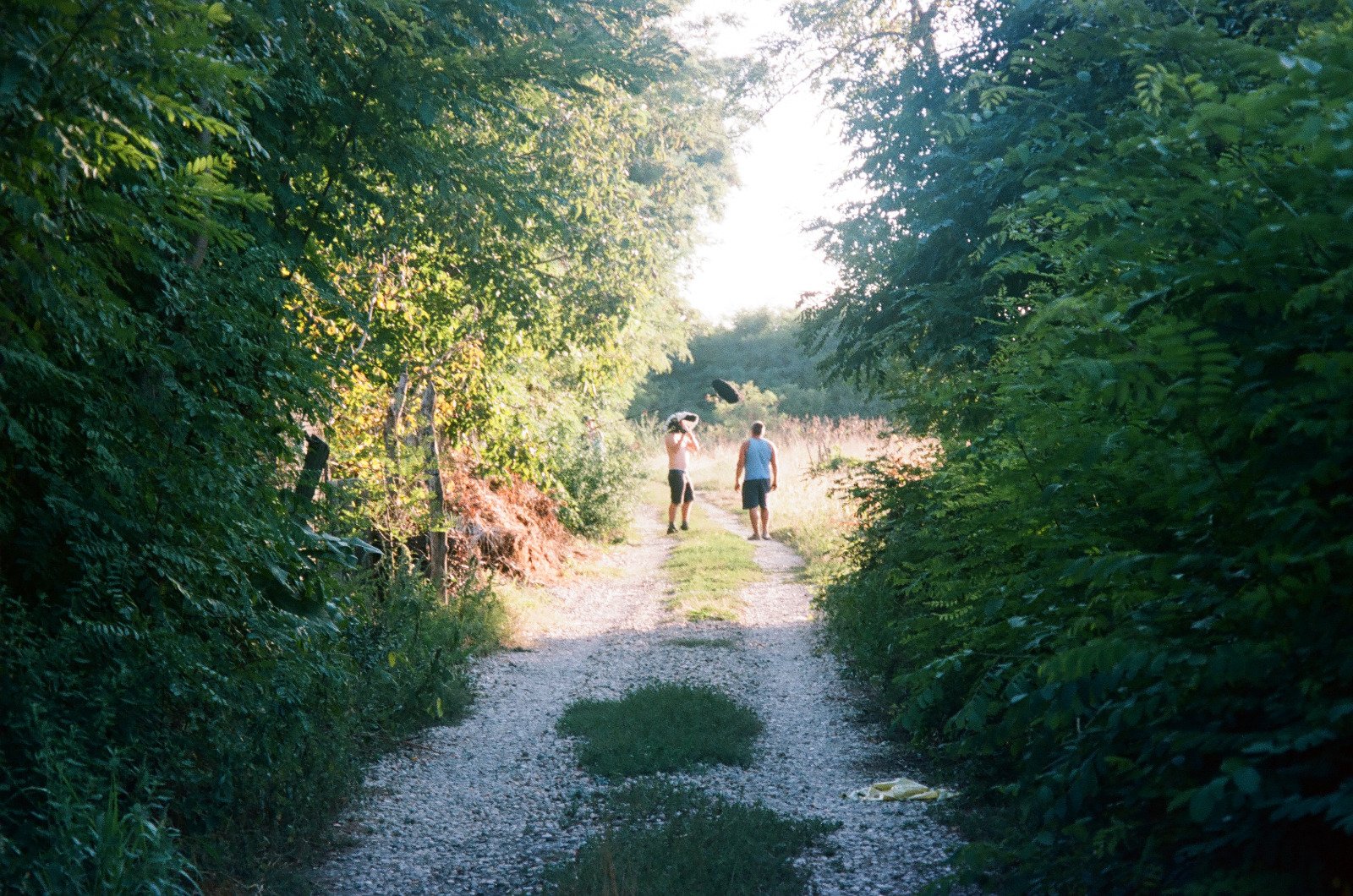
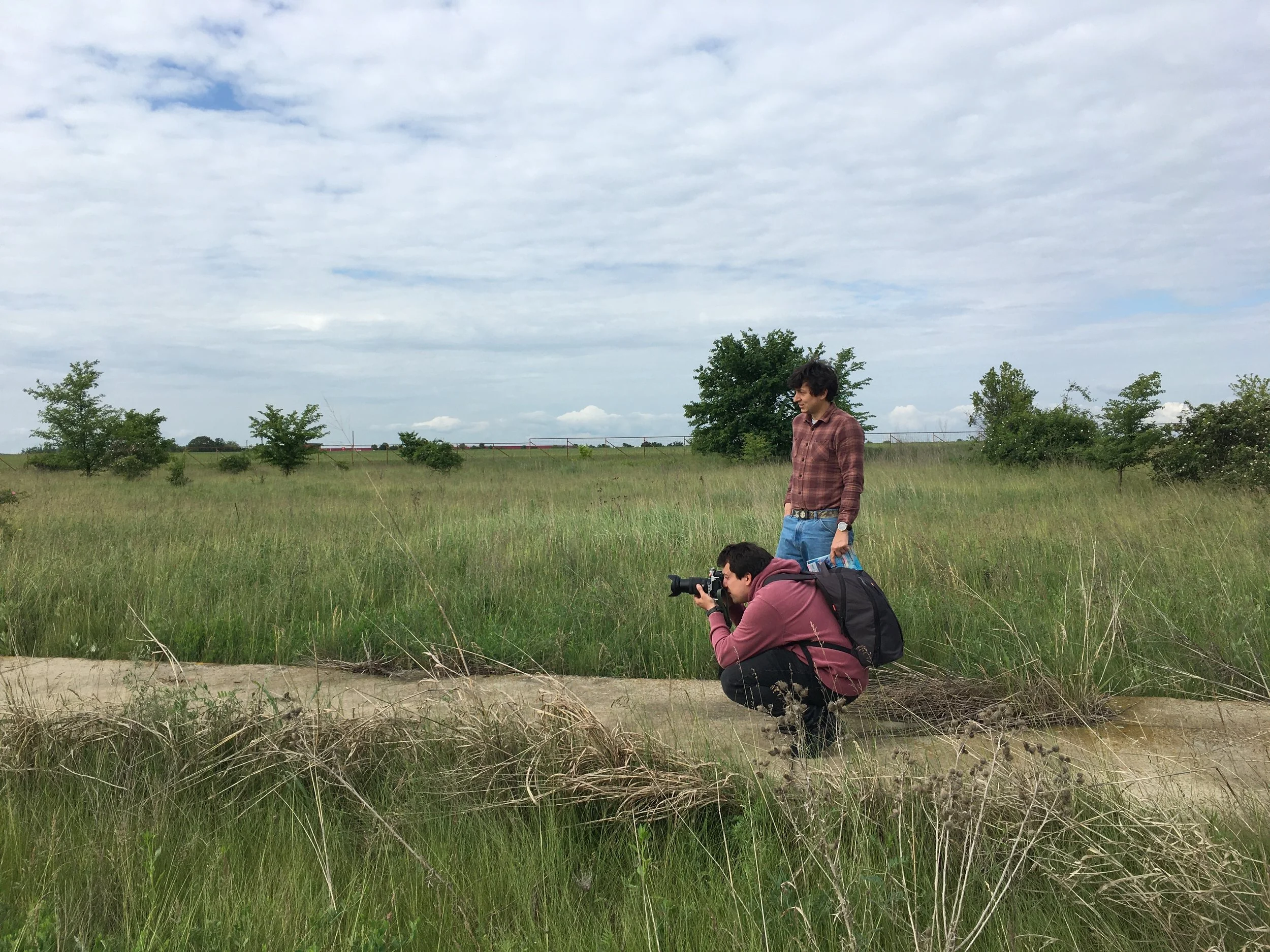
M. Dragolea - personal archive
“The hazard of the real world impacts my camera work and my filmmaking.”
For him, scripts remain loose frameworks rather than rigid structures: “The script is just like an idea.”
Considering how Dragolea’s work has steadily gained international attention, he also discusses his attraction to expressive, performative characters—people who actively want to show something of themselves—while acknowledging the ethical tensions that emerge when the camera steps closer, sometimes crossing into territory traditionally associated with fiction.
“You have to have this feeling that your characters need to be a bit outgoing, histrionic, maybe…because if they're very closed, you cannot pull something and usually characters want to show something to me. I don't know what's going to happen in that scene. I just know that I'm going to be there with the camera.”
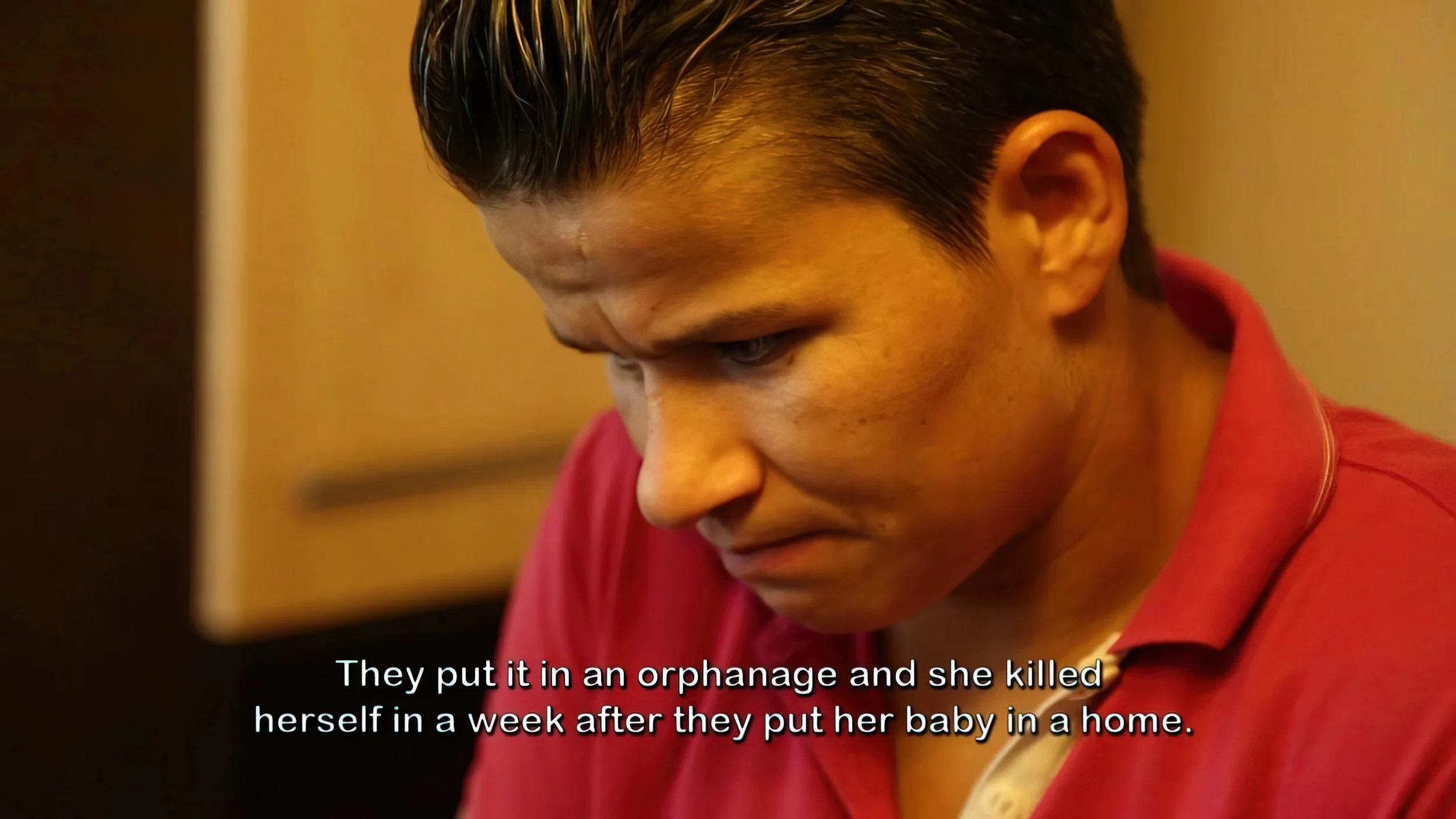
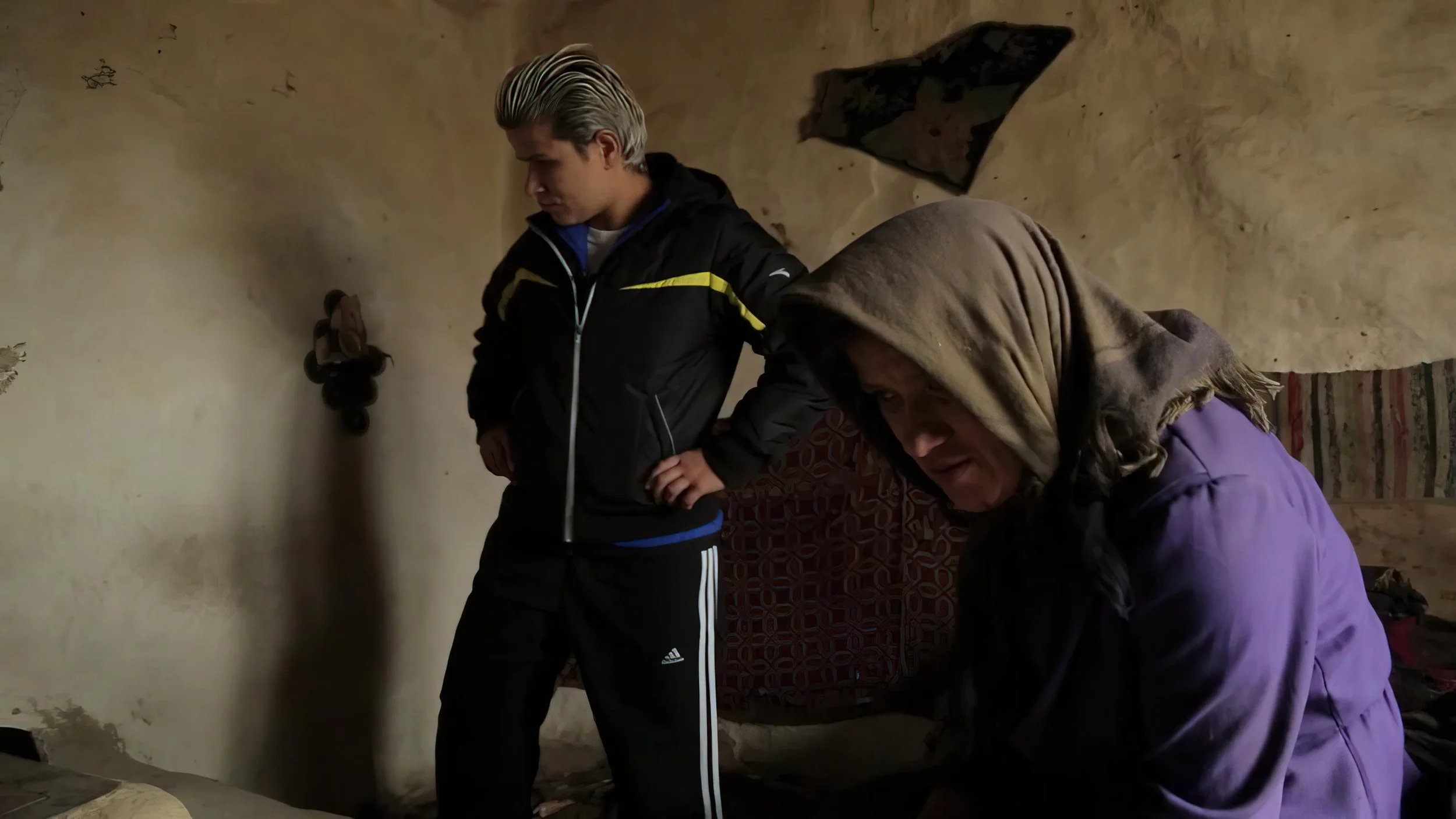
Using examples from The Golden Robot (2015) and other projects, he reflects on moments where wide‑angle lenses, frontal positioning, and direct engagement challenge the moral boundaries of observational cinema.
He sees documentary filmmaking as an exchange rather than an extraction: a shared experience grounded in presence, exposure, and mutual agreement. Even when representation becomes partially constructed or fictionalised, Dragolea remains committed to honouring the pact formed between filmmaker and subject—treating lived experience not as raw material, but as something temporarily borrowed and carefully returned.
Golden Robot
“I honour this pact that happens between me and my characters. Of course, it's fictional on both sides, but they present themselves to me in a certain way, and I honour that representation.”
He is also unafraid to criticise the broader systems he documents: in discussing Romania’s deforestation crisis, he notes that responsibility lies not only with corporations but also with community members who have lived so close to the wilderness that they see forests as resources rather than ecosystems to protect. Such observations underscore his belief that documentary filmmaking should interrogate social and ecological structures rather than simply report them.
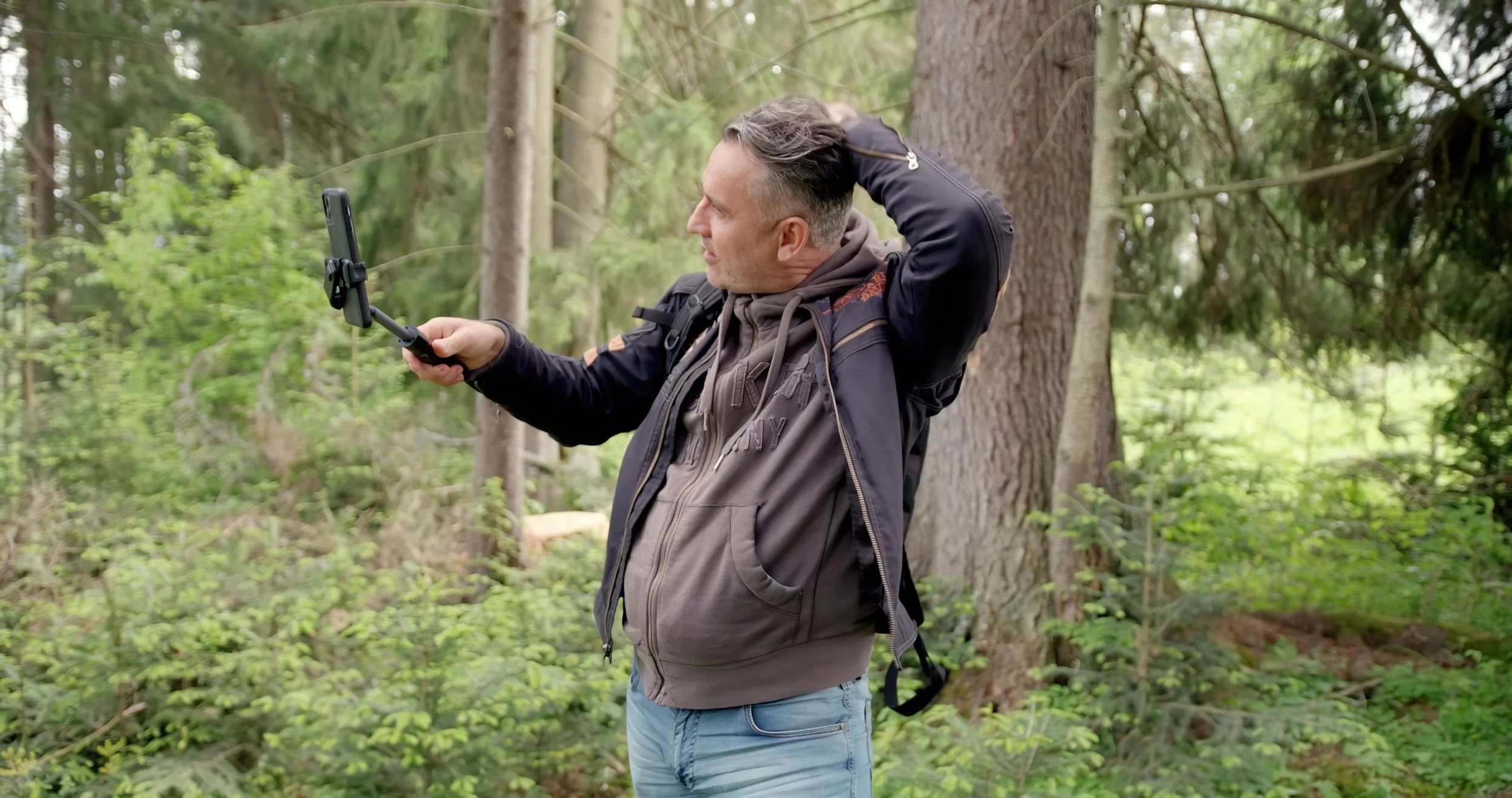
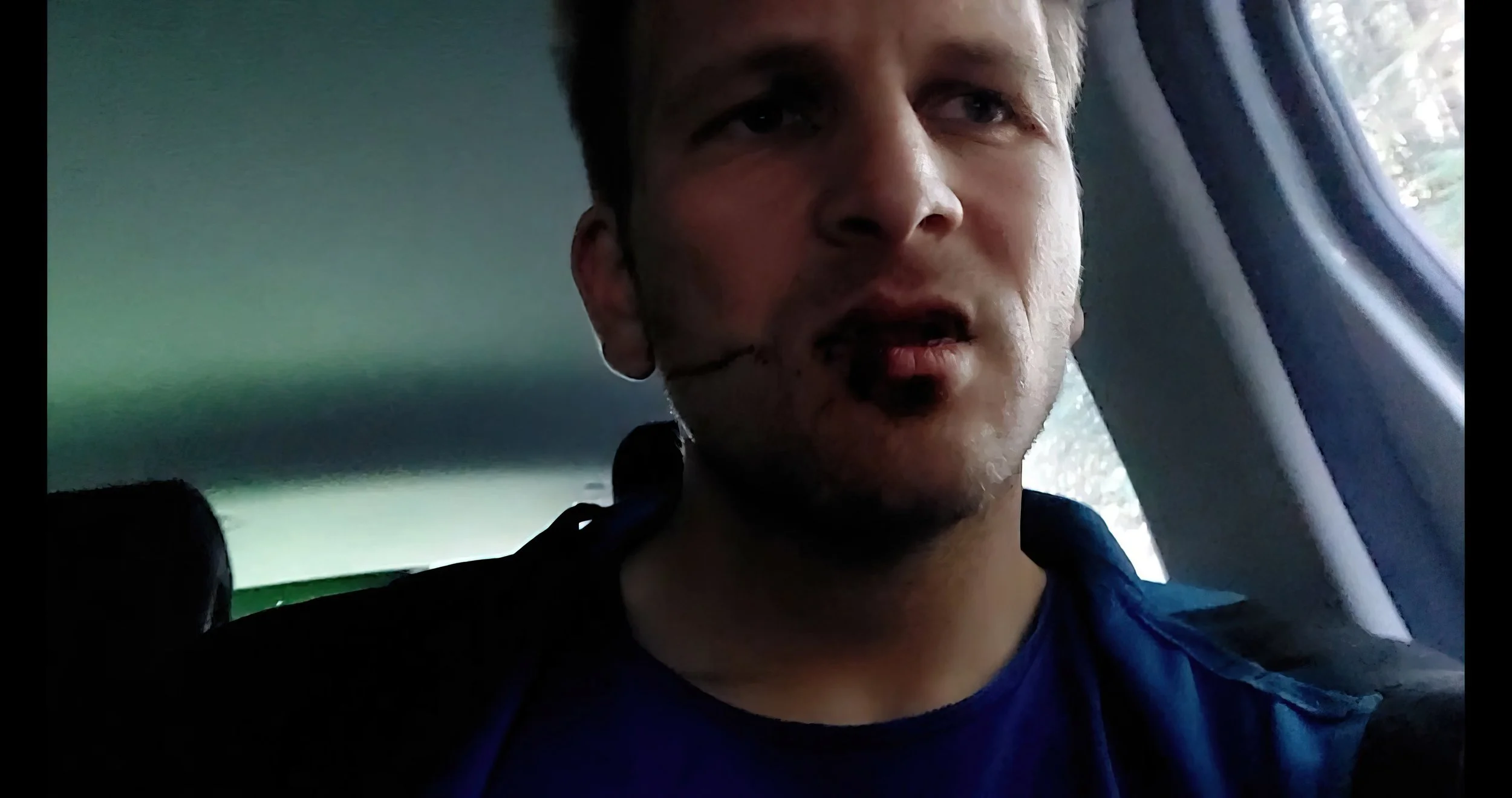
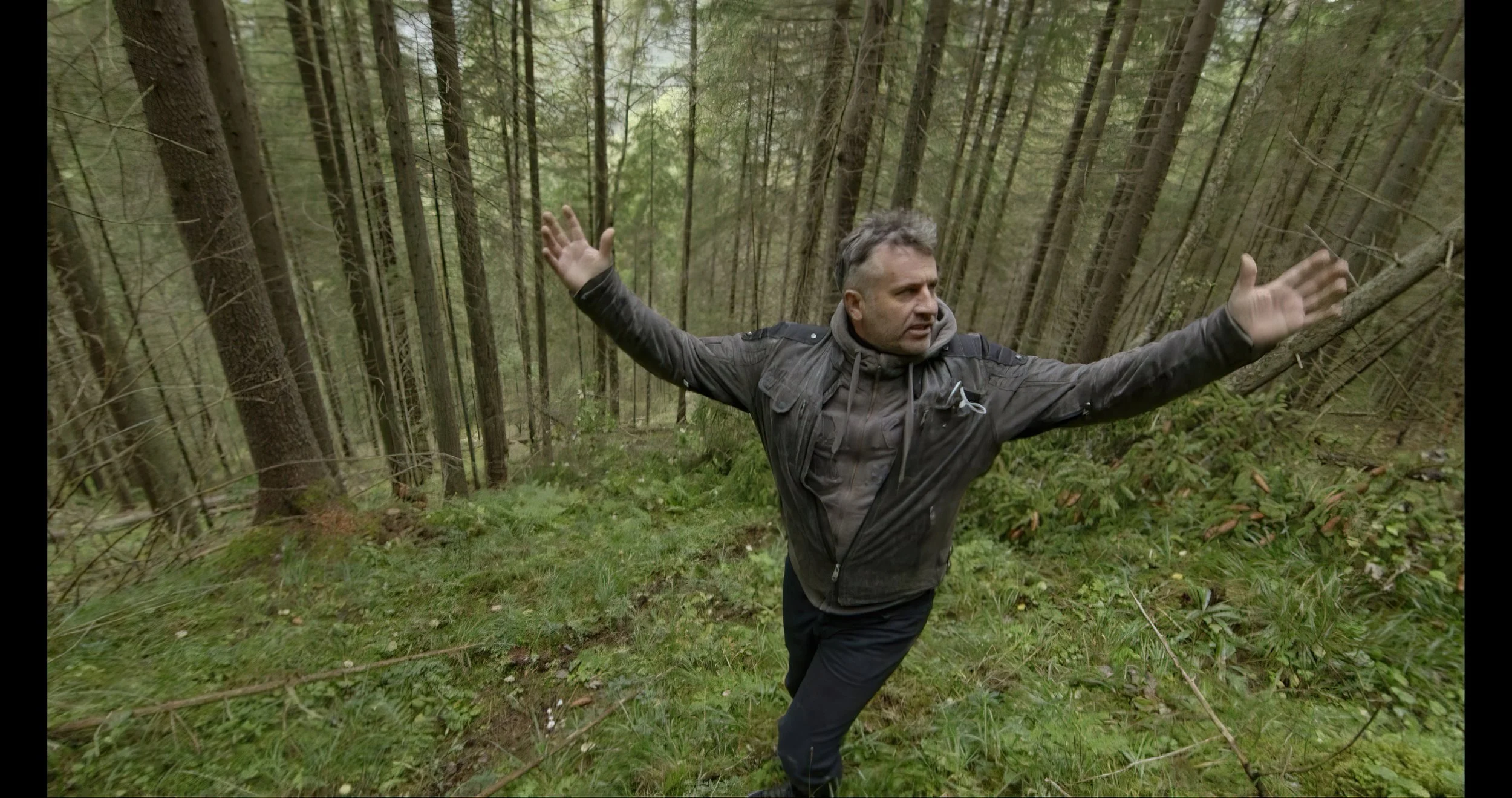
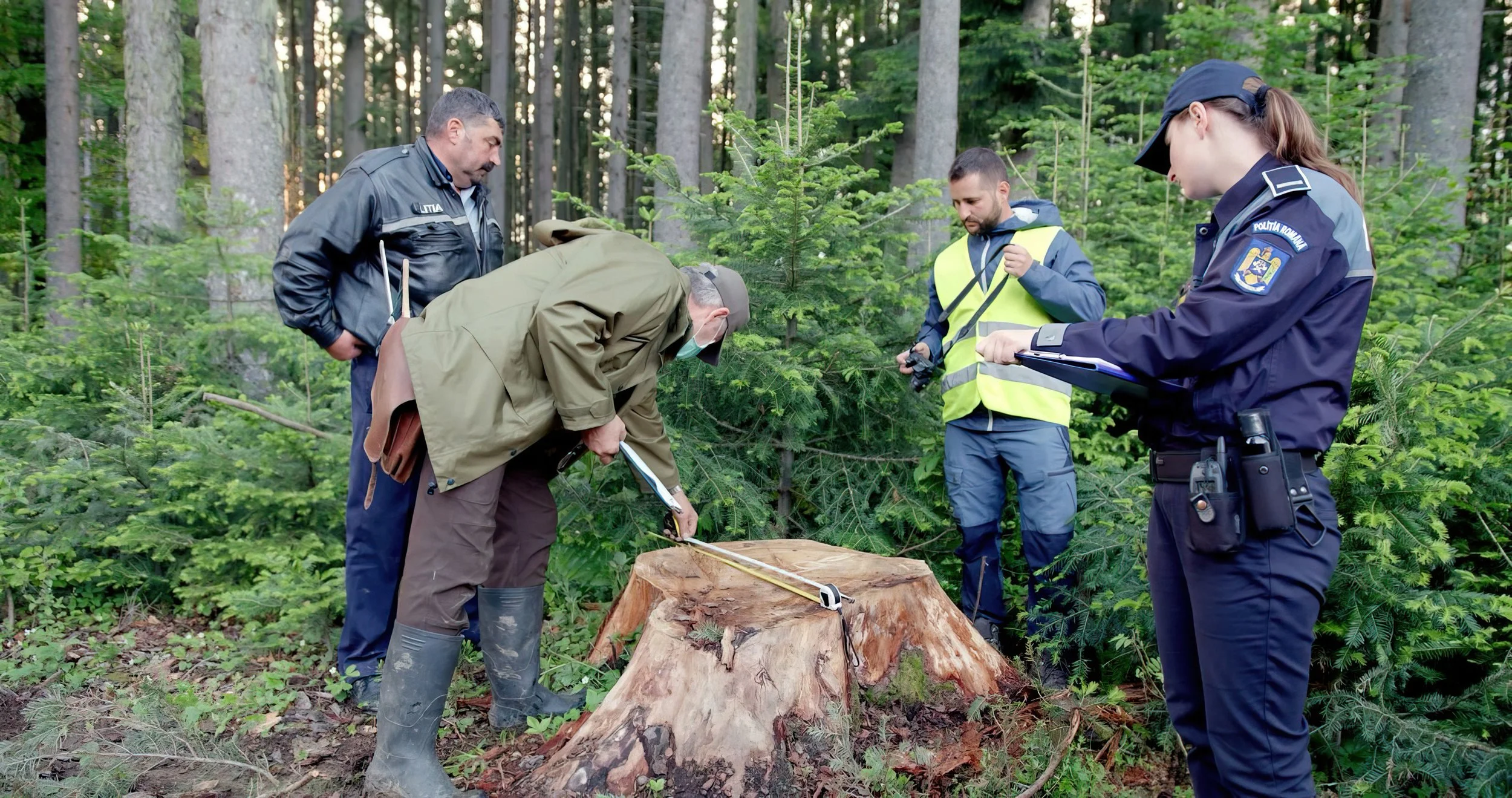
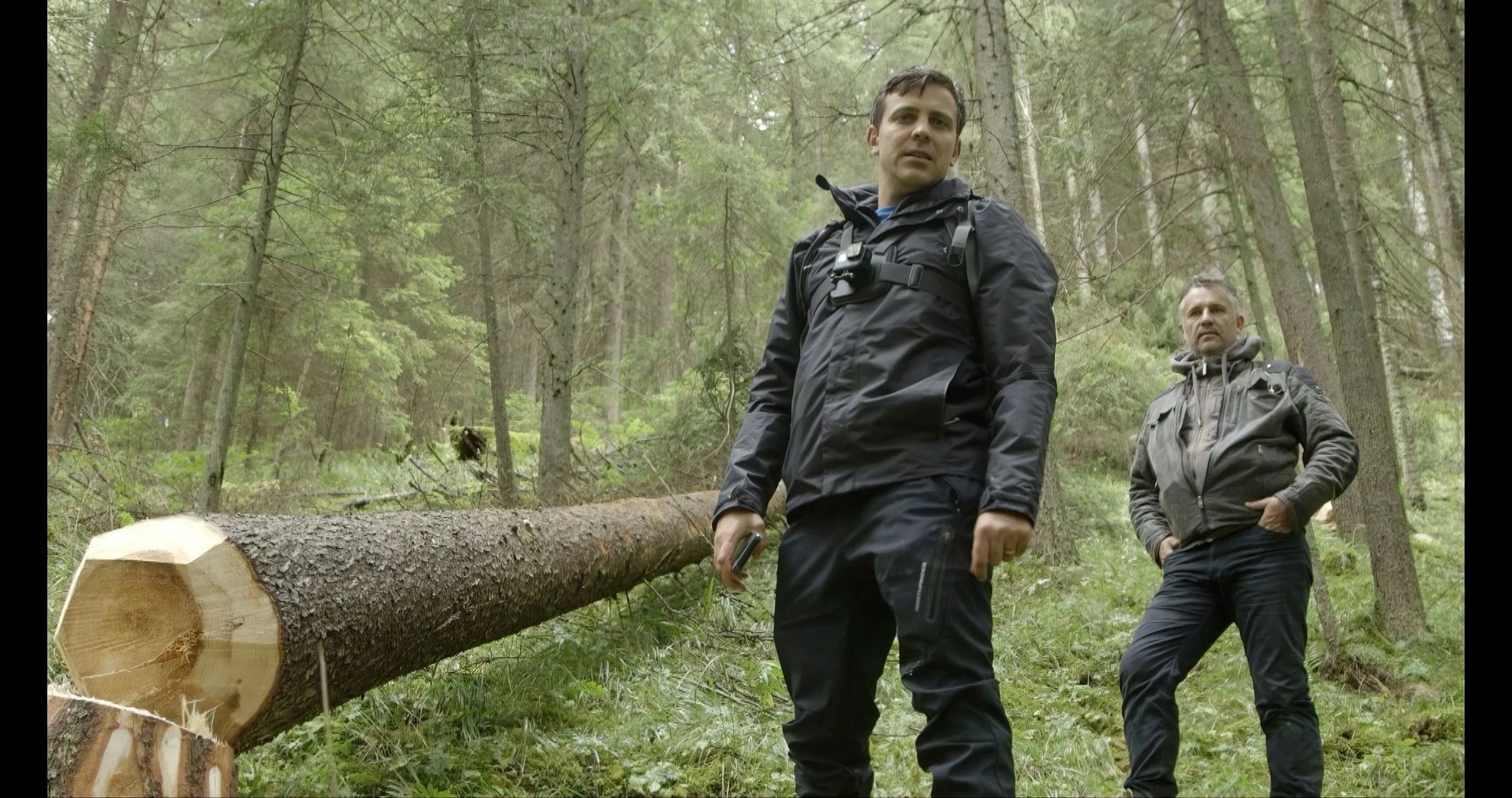
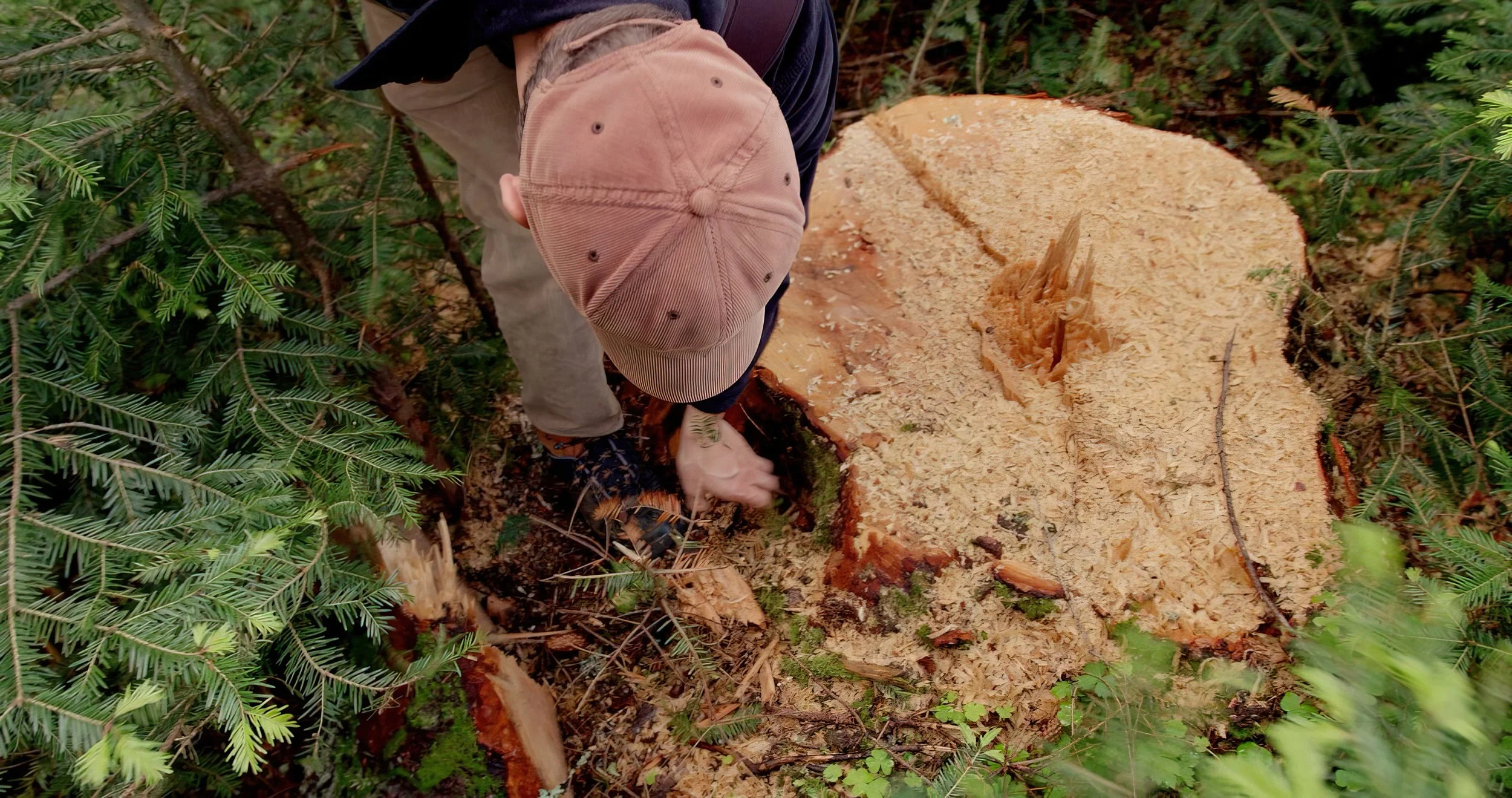
Tooth and Nail
In 2022, Dragolea’s short film Aurică, viață de câine / Aurica, a dog’s life (2022) received a Special Jury Mention at Transilvania International Film Festival (TIFF). His later short Maimed—a haunting return to the last recorded wolf attacks in Romania, blending lived memory with folklore and supernatural belief—was selected for Balkans Beyond Borders Festival 2024 and Taifas Film Festival 2024. With a Master’s degree in Contemporary Video Art and a specialisation in documentary filmmaking, Dragolea has spent over a decade working across the audiovisual field, choosing early on to focus on creative documentary as a tool for social impact and education. Together with Radu Mocanu, he co-founded Vagabond Film, an independent documentary production company through which all their projects are now produced—on their own terms, and against the grain. A self-described nomad, his films are driven by movement—across geographies, communities, and invisible social fault lines.
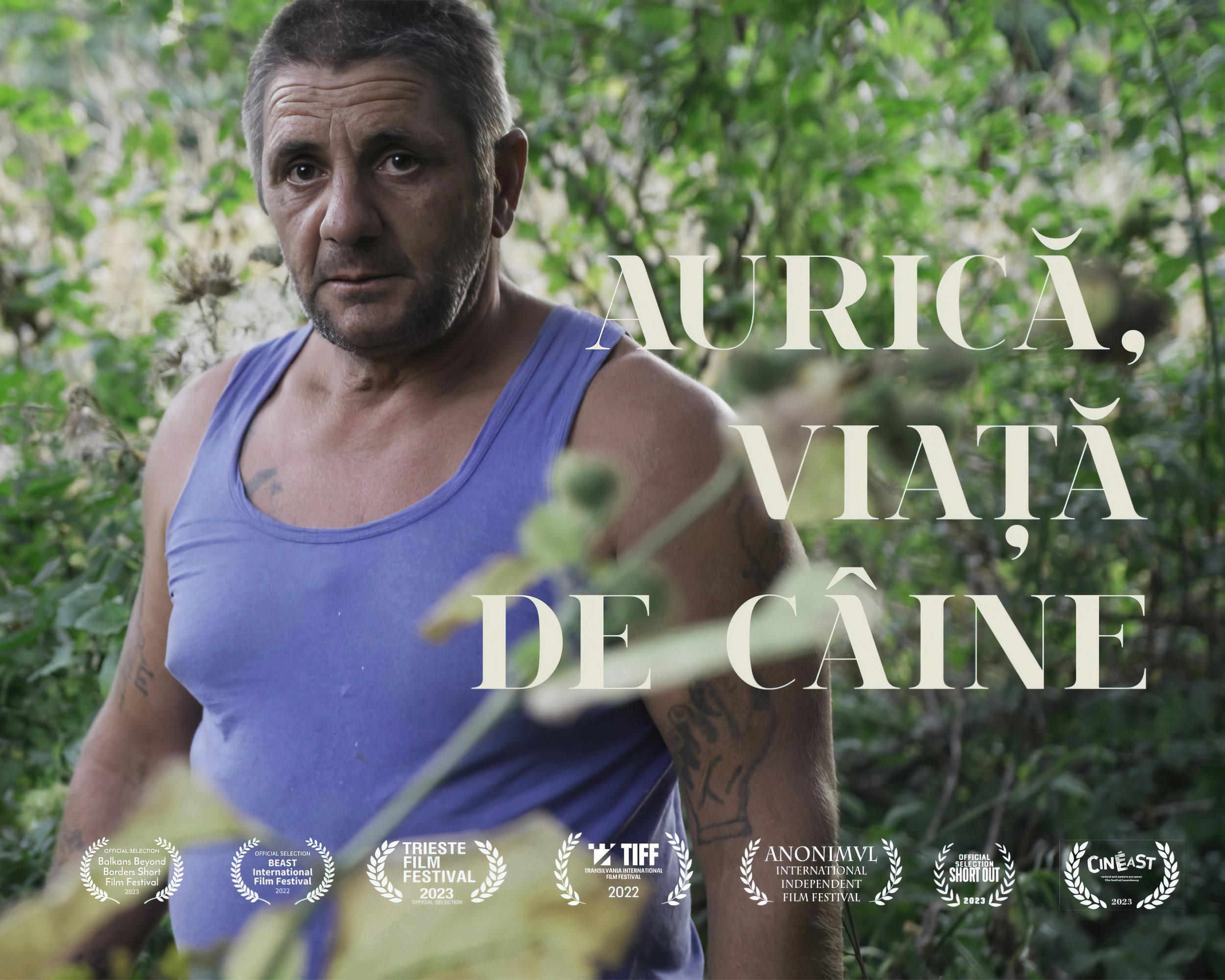
Aurica, a Dog’s Life
His debut feature documentary, Robotelul de Aur / The Golden Robot (2015), co-directed, shot, and edited with Radu Constantin Mocanu and produced entirely through personal means, set the tone for his practice: intimate, independent, and politically alert. Since then, his focus has remained on stories that rarely reach the mainstream—marginalised communities, subcultures, and lives shaped by economic and social neglect. That trajectory continued with PhoeniXXX (2017), developed through the Astra Sibiu Romanian documentary programme. Working alone due to the sensitivity of the subject, Dragolea approached the live cam industry from within, foregrounding the humanity of its workers while exposing the broader collapse of mono-industrial cities and the invasive reach of digital capitalism into private life.
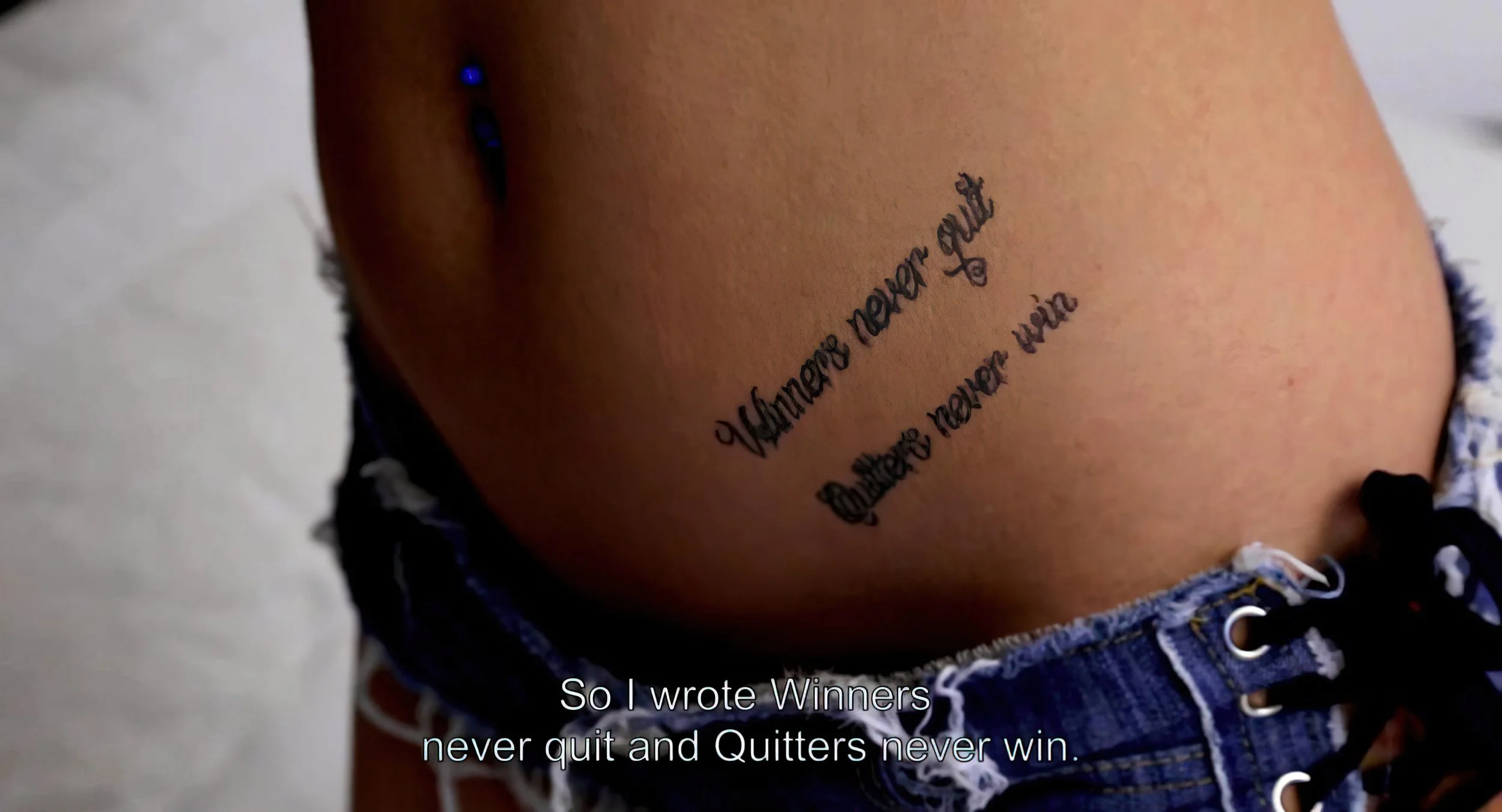
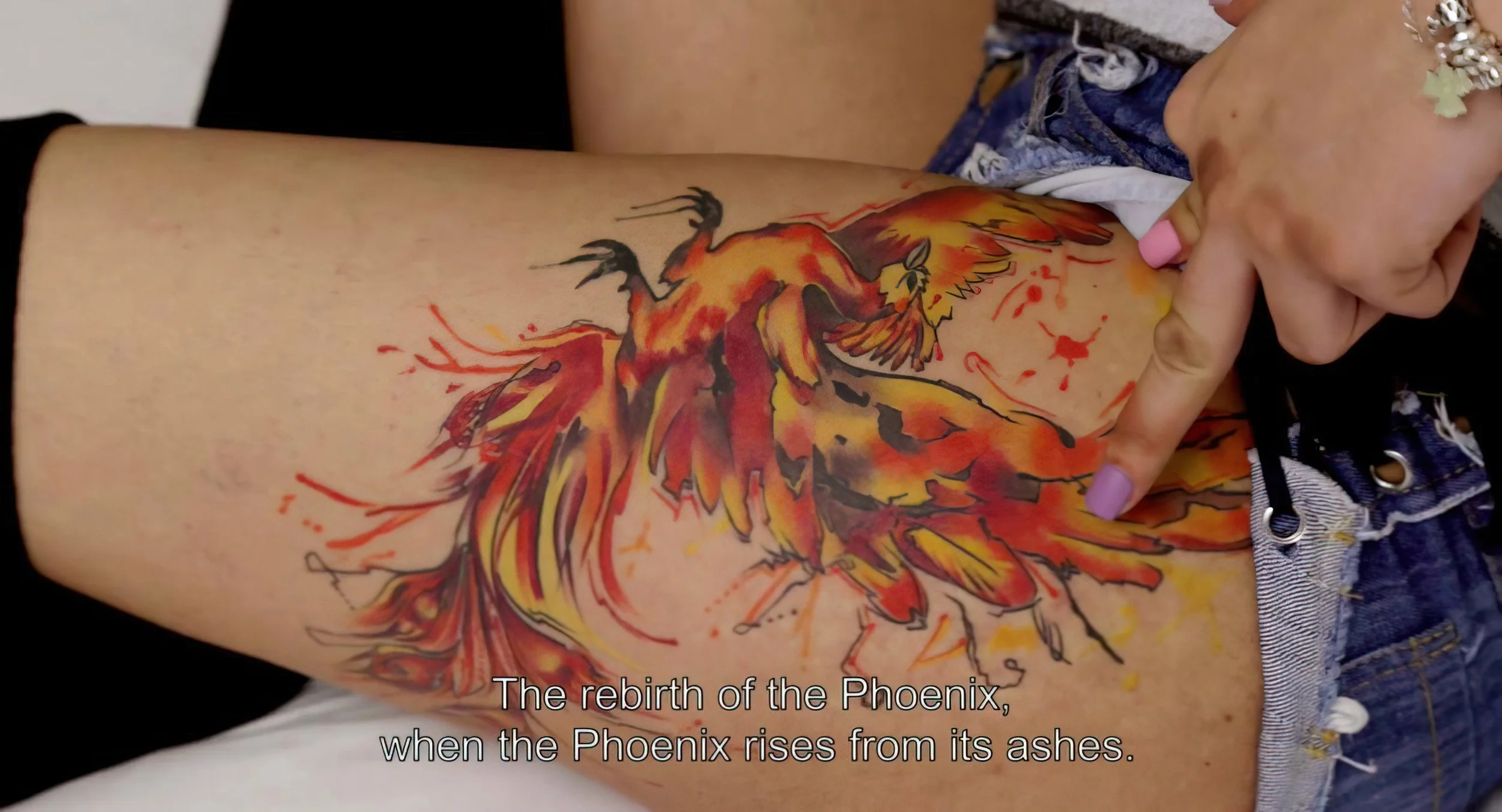
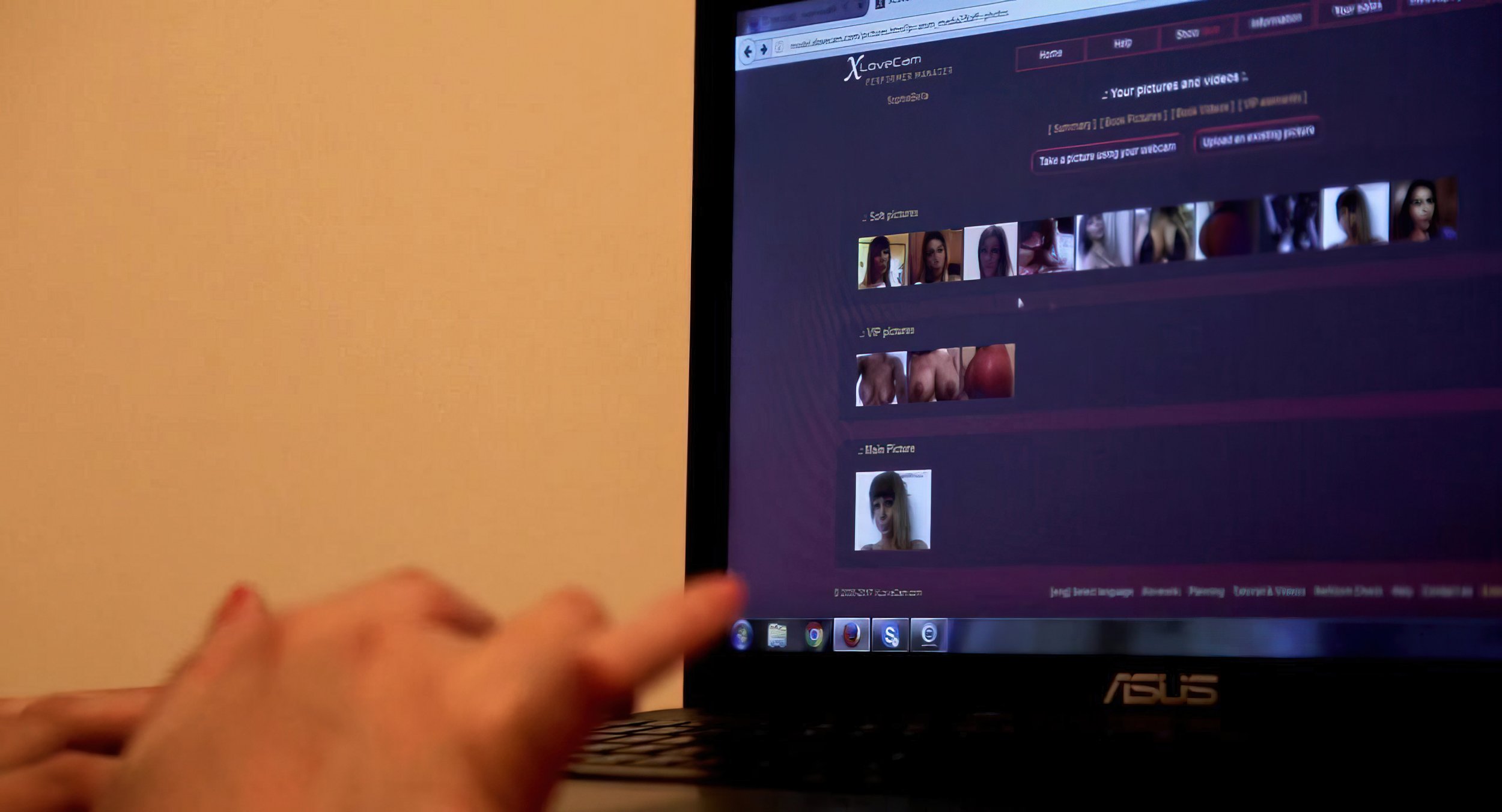
Phoenixxx
Importantly, Dragolea’s ecological commitment extends beyond the screen. He is “working in the ecological domain,” having even started a tree‑planting venture. In a 2025 interview, he explained that after the illegal‑logging crisis “broke” him, he decided to plant his own one‑hectare forest as a small act of resistance; he now calls the regenerating land—with ravens returning and a goat skull left on a sapling—a personal monument to defiance and decay. This hands‑on activism underscores his belief that protecting the environment demands both cinematic advocacy and concrete action.